Pythium damping-off
Pythium damping-off is a soil-borne disease caused by Pythium species, affecting seedlings by causing them to rot at the base, leading to collapse and death. It is most commonly seen in wet and poorly drained soil conditions.
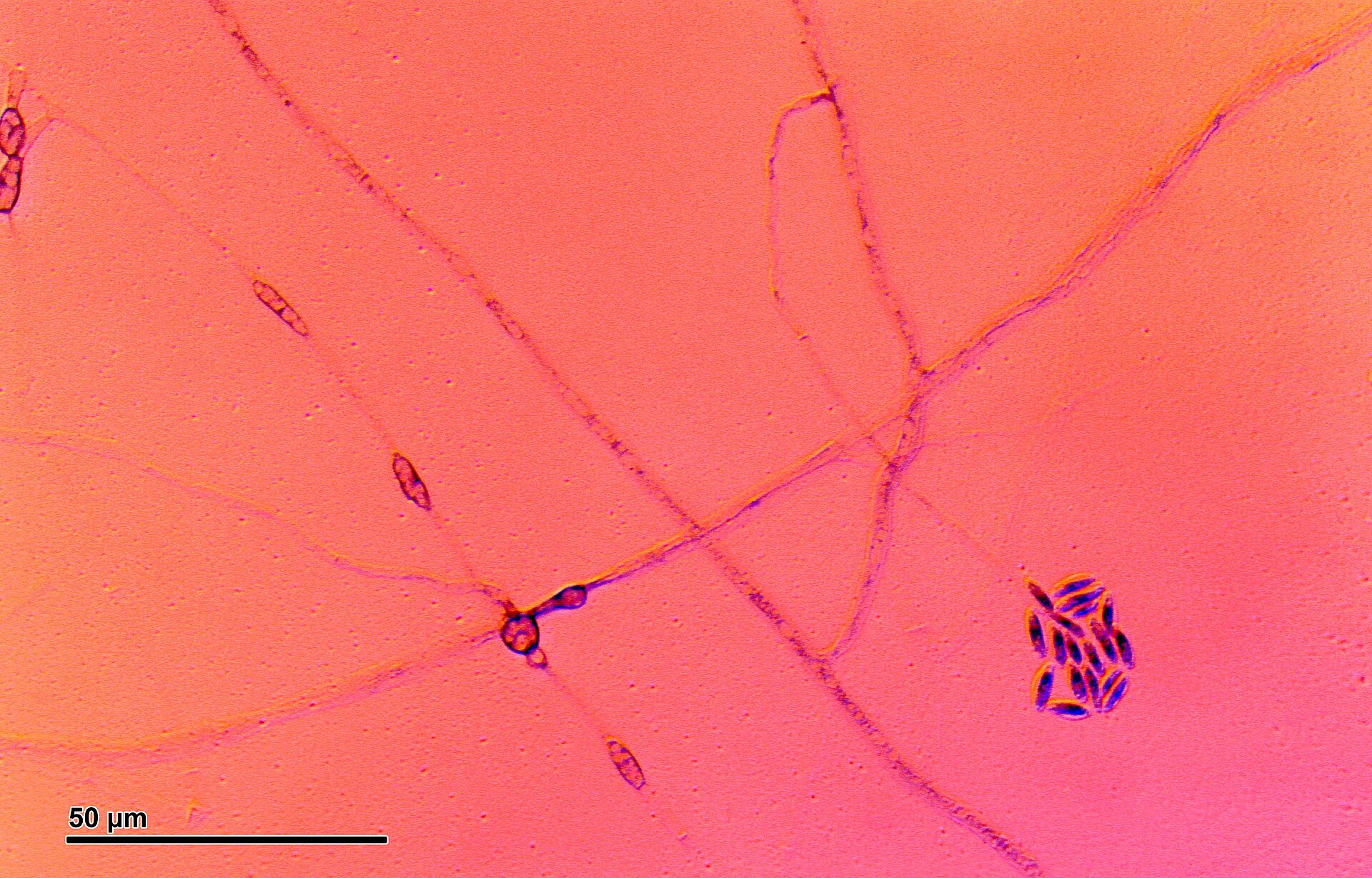
About this problem
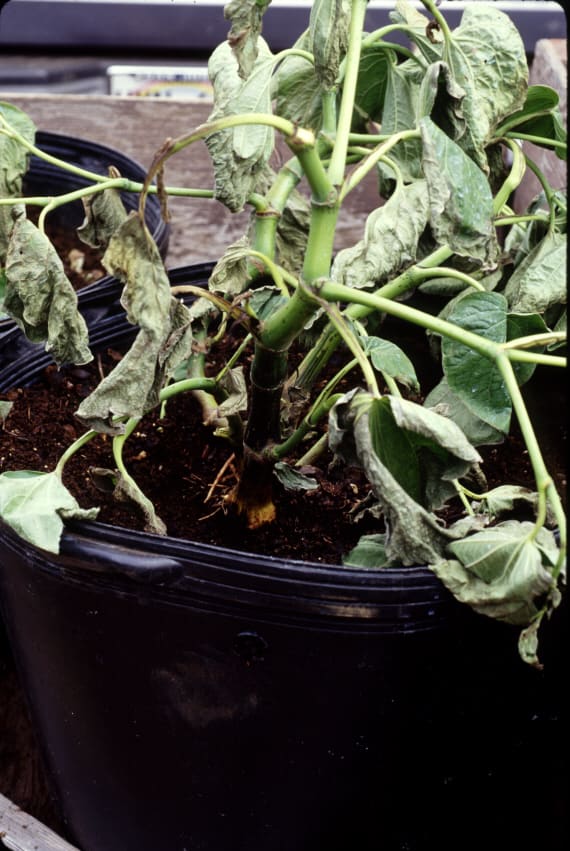
Pythium damping-off is a disease caused by several species of the Pythium genus, which are part of the Chromista kingdom. These pathogens primarily attack seedlings, causing them to rot at the base and eventually collapse. The disease is prevalent in wet and poorly drained soils, where the pathogen thrives. Initially, growers may notice a water-soaked appearance at the base of the stem, which quickly progresses to a soft rot. This disease is often confused with other damping-off pathogens like Rhizoctonia and Fusarium, but Pythium is distinguished by its preference for overly moist conditions. The disease cycle begins with the pathogen's spores, which are present in the soil and can survive for extended periods. When conditions are favorable, such as high soil moisture and moderate temperatures, the spores germinate and infect the seedlings. The infection process is rapid, and symptoms can appear within a few days of germination. Growers often see seedlings that fail to emerge or collapse shortly after emergence. Infected seedlings may exhibit stunted growth, and their roots can appear dark and discolored. Management of Pythium damping-off involves improving soil drainage, reducing soil moisture, and using disease-free seeds.
Symptoms
- Seedlings collapse at the base
- Water-soaked stem appearance
- Soft rot at the base of seedlings
- Stunted seedling growth
- Dark or discolored roots
- Failure of seedlings to emerge
Cause
Pythium species thrive in wet, poorly drained soils and attack seedlings, causing them to rot and collapse.
Conditions that favour it
- High soil moisture
- Poor drainage
- Cool to moderate temperatures
- Overcrowded seedlings
- Use of contaminated soil or tools
Lifecycle and spread
Pythium spreads through soil and water, with spores that can survive in soil for long periods. It overwinters in plant debris and soil. Breaking the cycle involves improving drainage and reducing soil moisture.
Plants most affected
- Tomato
- Cucumber
- Lettuce
- Beans
- Peas
- Spinach
- Broccoli
- Cauliflower
- Cabbage
- Radish
Treatment
Educational information only, and not a substitute for professional diagnosis. Identify the problem before treating it, and check that any product is registered for this plant and this use where you live.
Cultural control
- Improve soil drainage
- Avoid overwatering
- Ensure proper spacing of seedlings
- Use raised beds to improve drainage
- Remove plant debris from the soil surface
Organic options
- Neem oil
- Compost tea
- Biofungicides containing Trichoderma
- Hydrogen peroxide soil drench
Chemical options
- Metalaxyl Used to manage Pythium damping-off
Read and follow the product label. The label is the legally binding instruction. Confirm the product is registered for this plant and for this use in your area before applying it.
Prevention
- Use disease-free seeds
- Sterilize soil or growing media before planting
- Avoid overwatering seedlings
- Implement crop rotation
- Maintain good air circulation around seedlings