Phytophthora root rot
Phytophthora root rot, caused by Phytophthora cinnamomi, is a soil-borne disease affecting a wide range of plants. It leads to root decay, which can cause wilting, stunted growth, and eventual plant death. Infected plants often show symptoms of water stress, such as yellowing leaves and leaf drop.
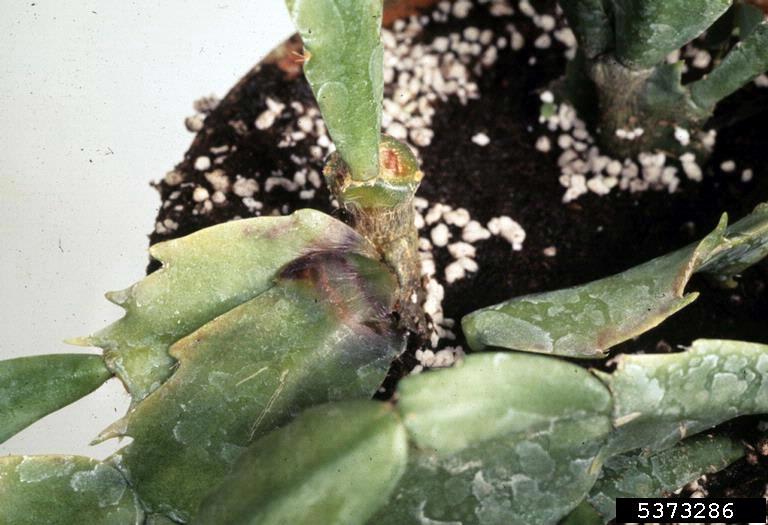
About this problem
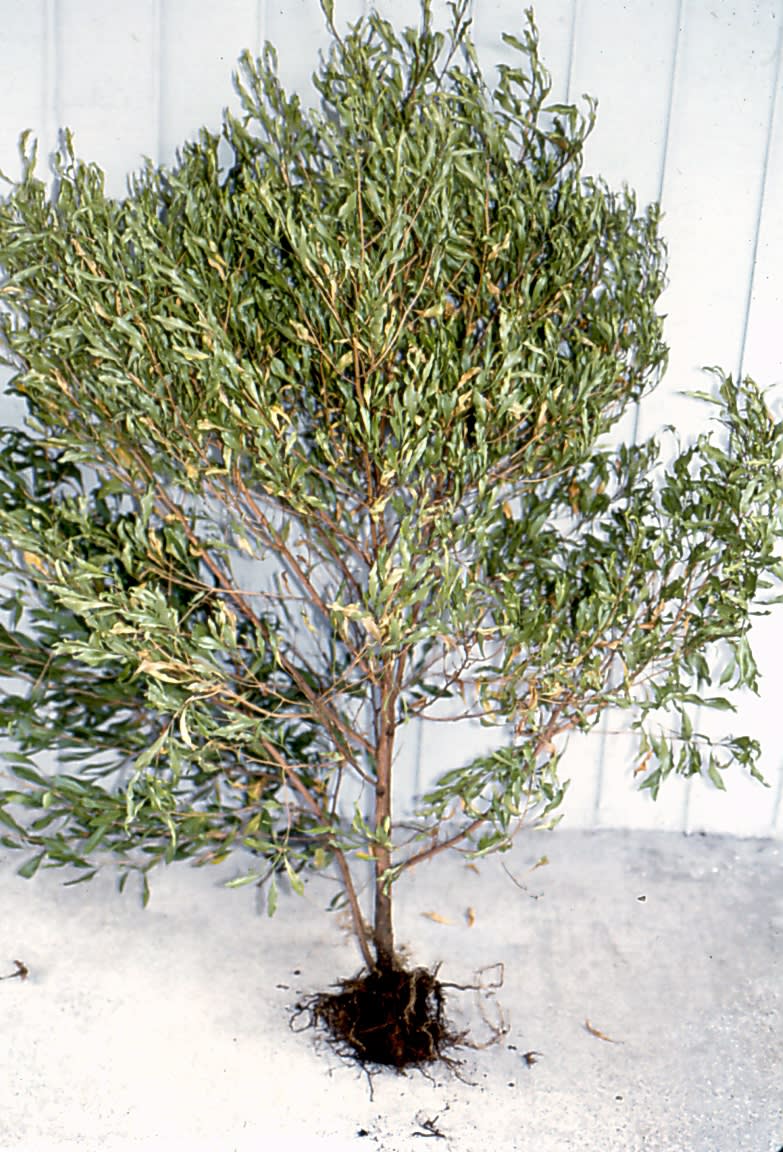
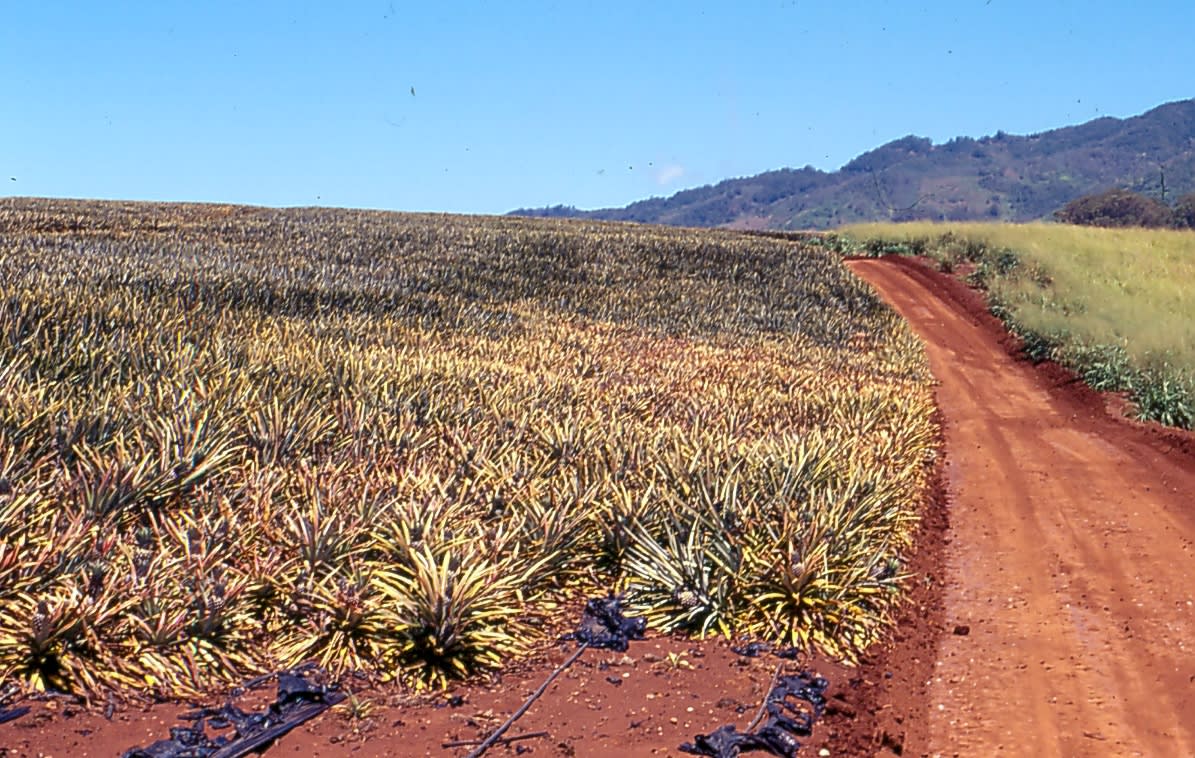
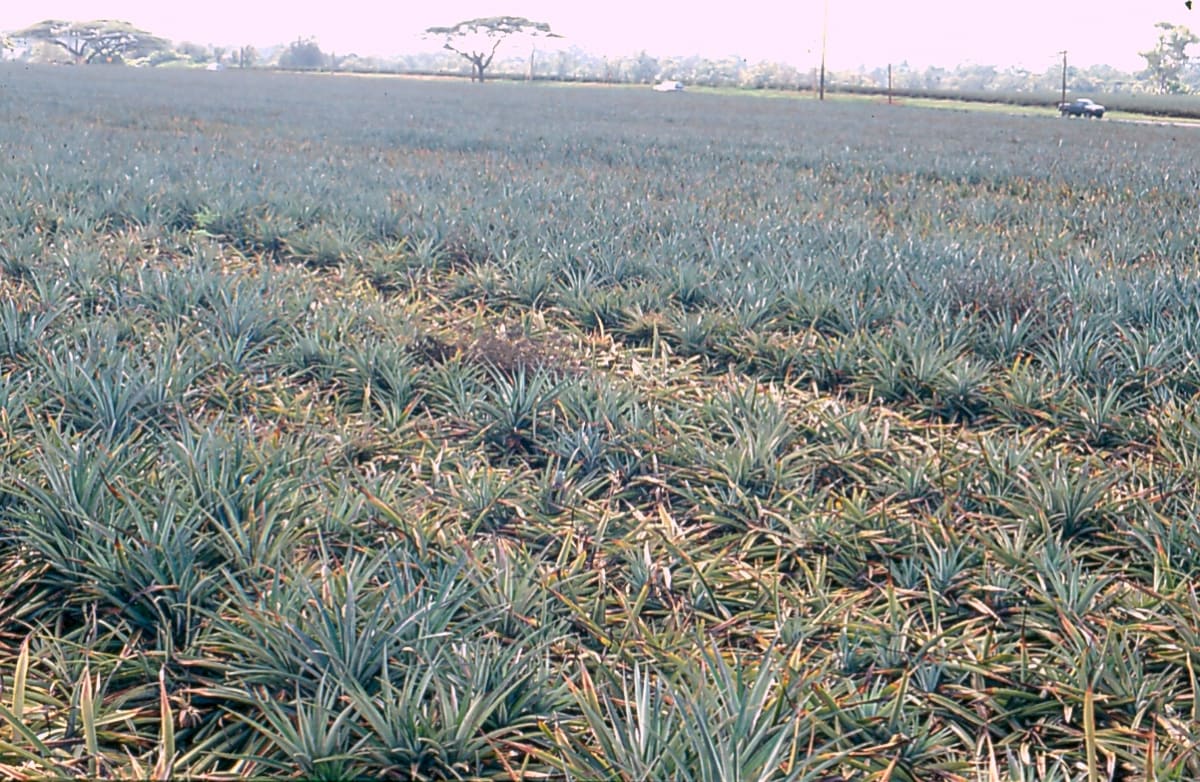
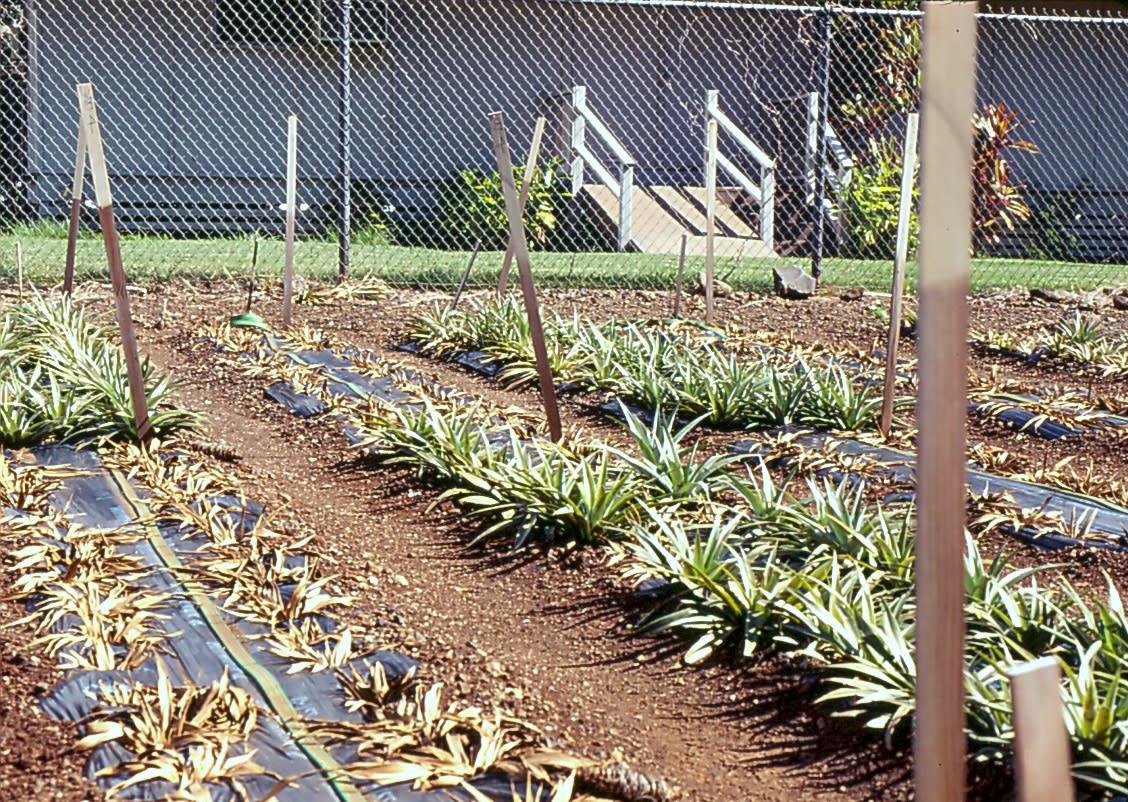
Phytophthora root rot is a destructive disease caused by the pathogen Phytophthora cinnamomi, classified under Chromista. This organism thrives in wet, poorly-drained soils and attacks the roots of plants, leading to their decay. As the roots rot, the plant's ability to uptake water and nutrients is severely compromised, resulting in visible symptoms above ground. Initially, growers may notice wilting and yellowing of the leaves, even when the soil is adequately moist. Over time, the plant may exhibit stunted growth and leaf drop. In severe cases, the plant may die if the disease is not managed. The disease is often confused with other root-related issues, such as nutrient deficiencies or drought stress, due to the similar symptoms. Phytophthora root rot is particularly challenging to manage because the pathogen can persist in the soil for extended periods. It spreads through water movement in the soil and can infect a wide range of host plants, making it a significant concern for growers.
Symptoms
- Wilting
- Yellowing leaves
- Leaf drop
- Stunted growth
- Dark or discoloured roots
- Mushy or rotting stem
Cause
Phytophthora cinnamomi is the organism responsible for this disease. It thrives in wet, poorly-drained soils and spreads through water movement.
Conditions that favour it
- Poorly-drained soil
- Excessive soil moisture
- High humidity
- Warm temperatures
- Dense plantings
Lifecycle and spread
Phytophthora cinnamomi spreads through water in the soil and can persist for long periods. It overwinters in infected plant debris and soil. Breaking the cycle involves improving drainage and reducing soil moisture.
Plants most affected
- Avocado
- Rhododendron
- Camellia
- Azalea
- Chestnut
- Pine
- Eucalyptus
- Heath
- Oak
- Banksia
- Macadamia
- Citrus
Treatment
Educational information only, and not a substitute for professional diagnosis. Identify the problem before treating it, and check that any product is registered for this plant and this use where you live.
Cultural control
- Improve soil drainage
- Avoid overwatering
- Increase plant spacing for better airflow
- Remove and destroy infected plant material
- Use raised beds to improve drainage
Organic options
- Compost tea
- Neem oil
- Biological fungicides containing Trichoderma
- Soil solarization
Chemical options
- Phosphonate Used to manage root rot in infected plants
Read and follow the product label. The label is the legally binding instruction. Confirm the product is registered for this plant and for this use in your area before applying it.
Prevention
- Ensure proper soil drainage
- Avoid excessive watering
- Select resistant plant varieties
- Maintain good garden hygiene
- Monitor plants regularly for early symptoms