Late blight
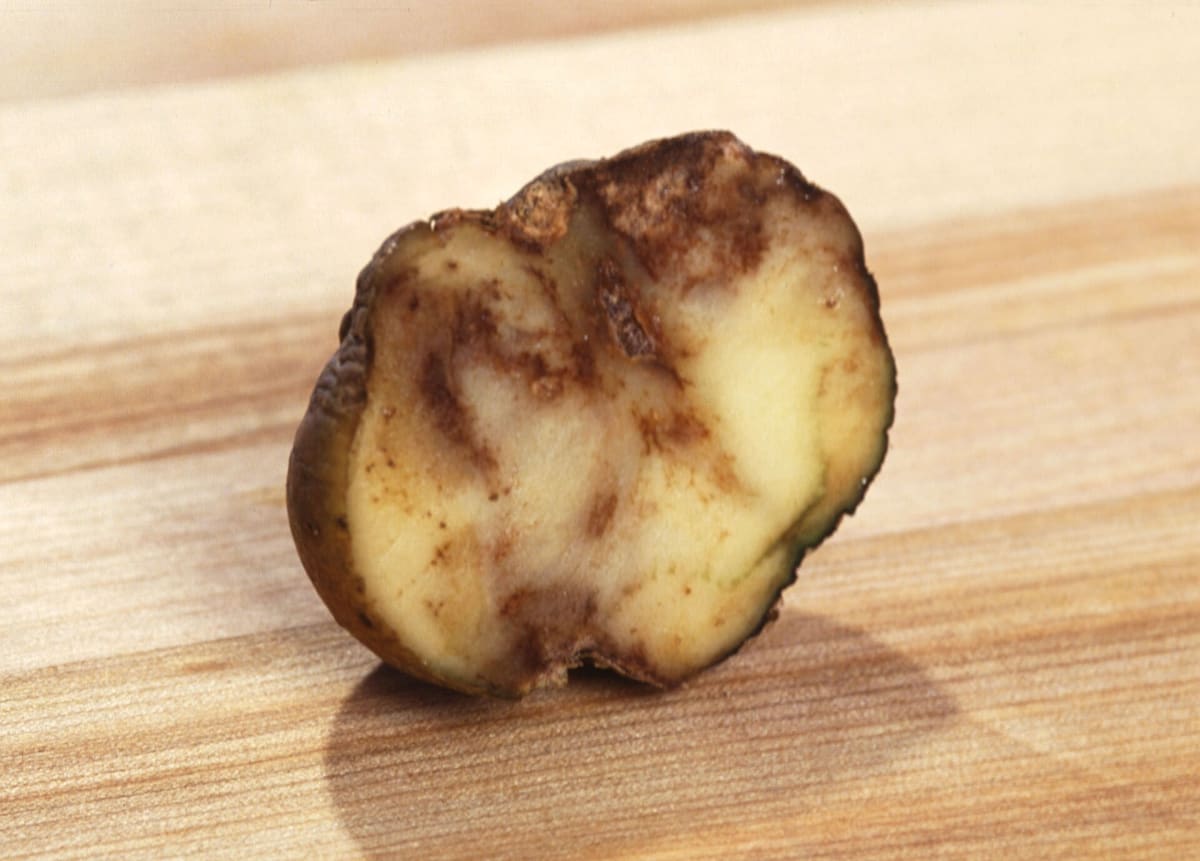
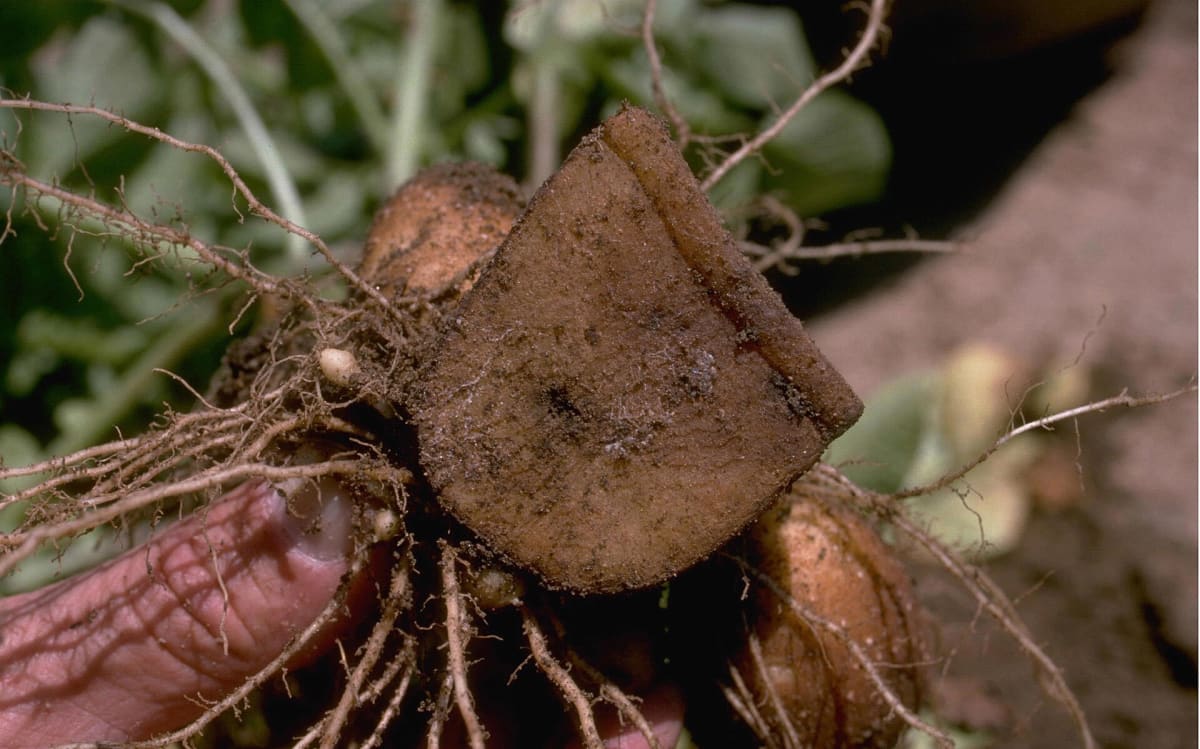
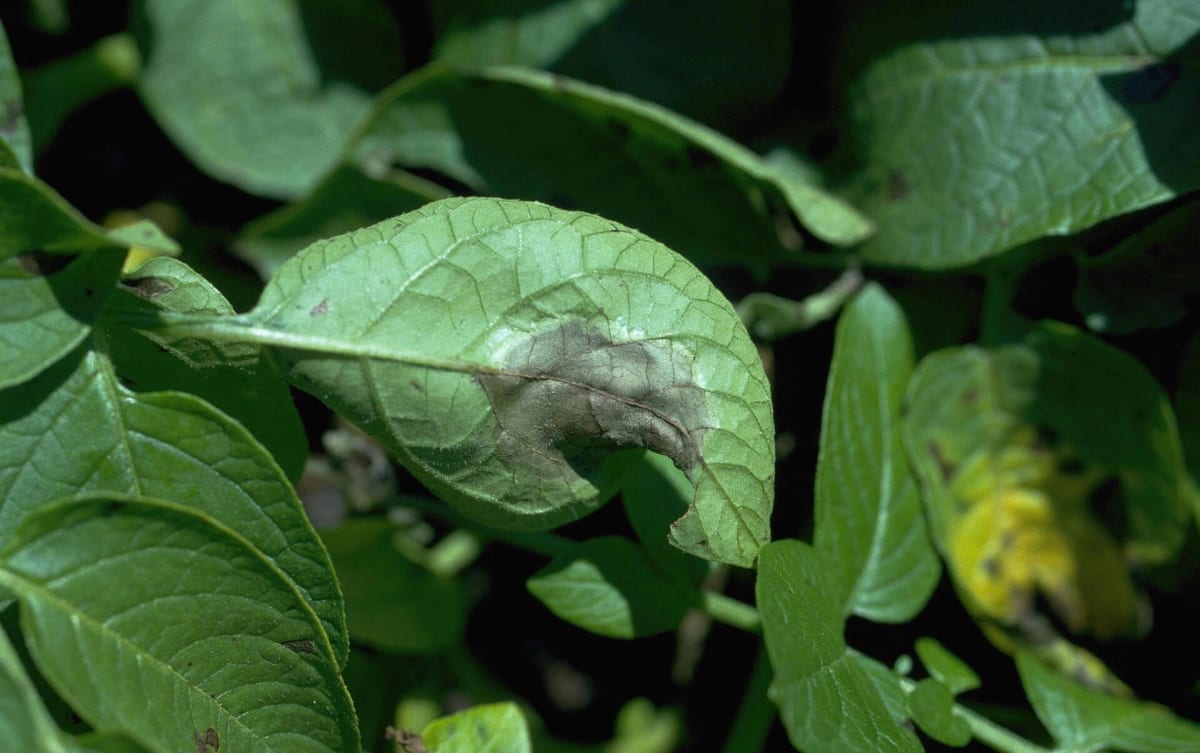
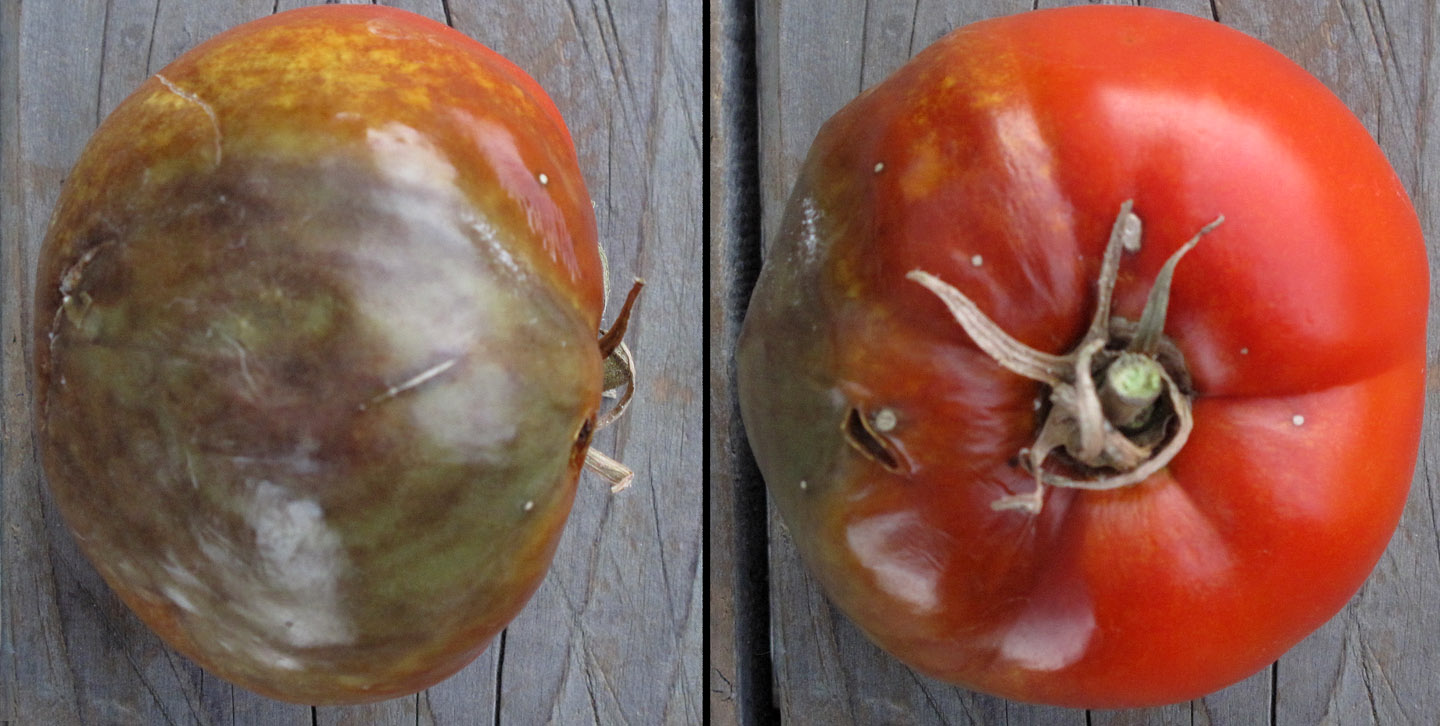
Late blight is a devastating disease caused by the pathogen Phytophthora infestans, affecting primarily potatoes and tomatoes. It manifests as dark, water-soaked lesions on leaves and stems, which can rapidly expand, leading to plant collapse.
About this problem
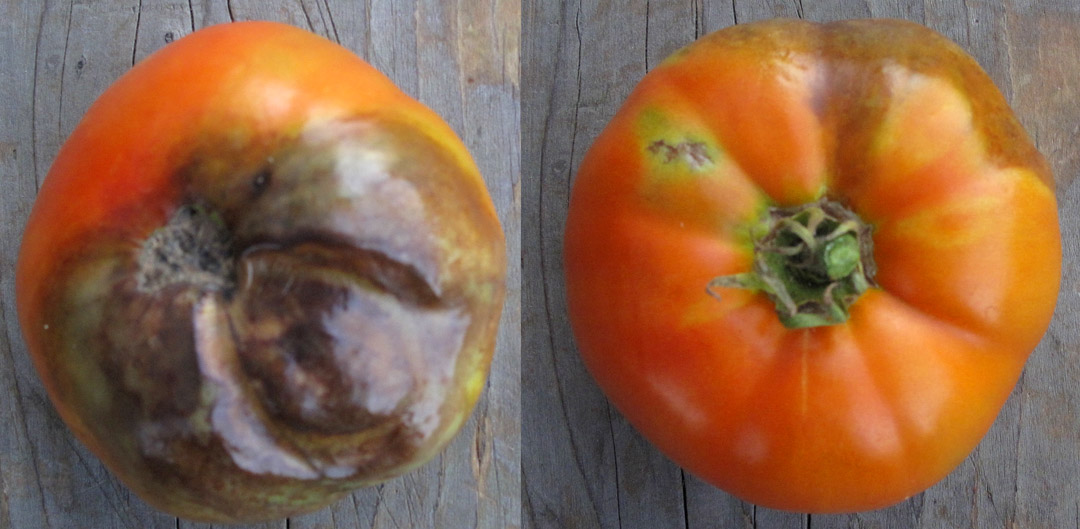
Late blight is a serious plant disease caused by the oomycete pathogen Phytophthora infestans. This pathogen is notorious for its rapid spread and ability to cause significant damage to crops, particularly potatoes and tomatoes. The disease typically begins with small, dark, water-soaked spots on leaves and stems. As the disease progresses, these spots enlarge and can cover entire leaves, leading to their death. In humid conditions, a white mold may appear on the undersides of leaves. Late blight can be confused with other foliar diseases, but its rapid progression and the presence of lesions on stems and fruit are distinguishing features. The disease can lead to complete crop loss if not managed properly.
Symptoms
- Dark, water-soaked lesions on leaves
- White mold on the undersides of leaves
- Lesions on stems
- Rapid plant collapse
- Dark spots on fruit
Cause
Late blight is caused by the pathogen Phytophthora infestans. It thrives in cool, wet conditions, which facilitate its spread and infection.
Conditions that favour it
- Cool temperatures
- High humidity
- Frequent rain
- Overhead irrigation
- Poor air circulation
Lifecycle and spread
Phytophthora infestans spreads through spores that can be carried by wind and rain. It overwinters in infected plant debris and tubers. Breaking the cycle involves removing infected plants and debris, and rotating crops.
Plants most affected
- Potato
- Tomato
- Eggplant
- Pepper
- Petunia
- Tomatillo
Treatment
Educational information only, and not a substitute for professional diagnosis. Identify the problem before treating it, and check that any product is registered for this plant and this use where you live.
Cultural control
- Ensure good air circulation by proper spacing
- Avoid overhead irrigation
- Remove and destroy infected plant debris
- Rotate crops annually
Organic options
- Copper-based fungicides
- Neem oil
- Bacillus subtilis
Chemical options
- Chlorothalonil Used to manage late blight
- Mancozeb Applied for disease control
Read and follow the product label. The label is the legally binding instruction. Confirm the product is registered for this plant and for this use in your area before applying it.
Prevention
- Use resistant plant varieties
- Monitor weather conditions and apply treatments preventively
- Maintain proper plant spacing
- Remove volunteer plants that may harbor the pathogen