Impatiens necrotic spot virus
Impatiens necrotic spot virus (INSV) is a plant disease caused by Orthotospovirus, affecting a wide range of ornamental plants. It is characterized by necrotic spots on leaves, stems, and flowers, leading to stunted growth and reduced plant vigor.
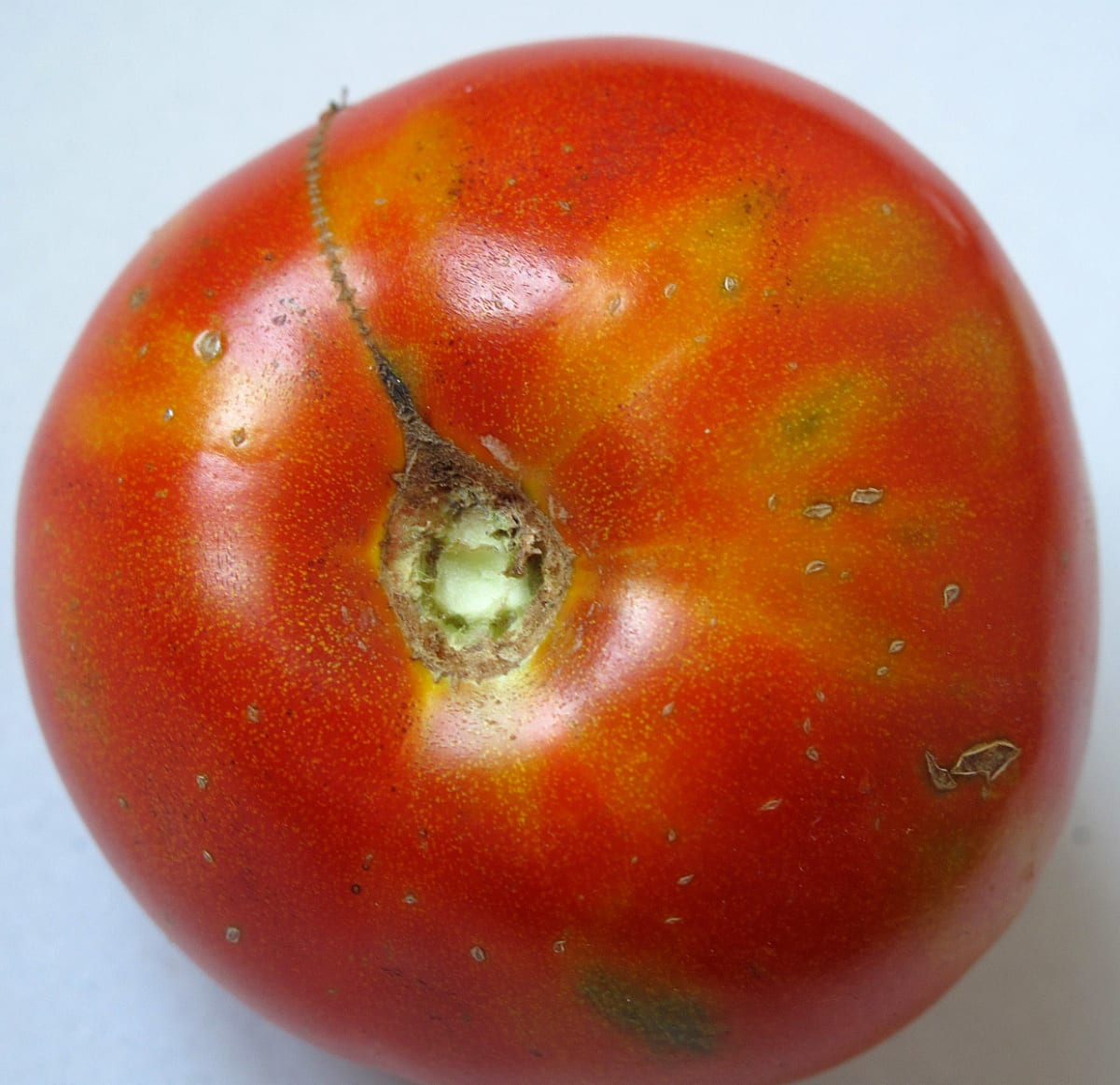
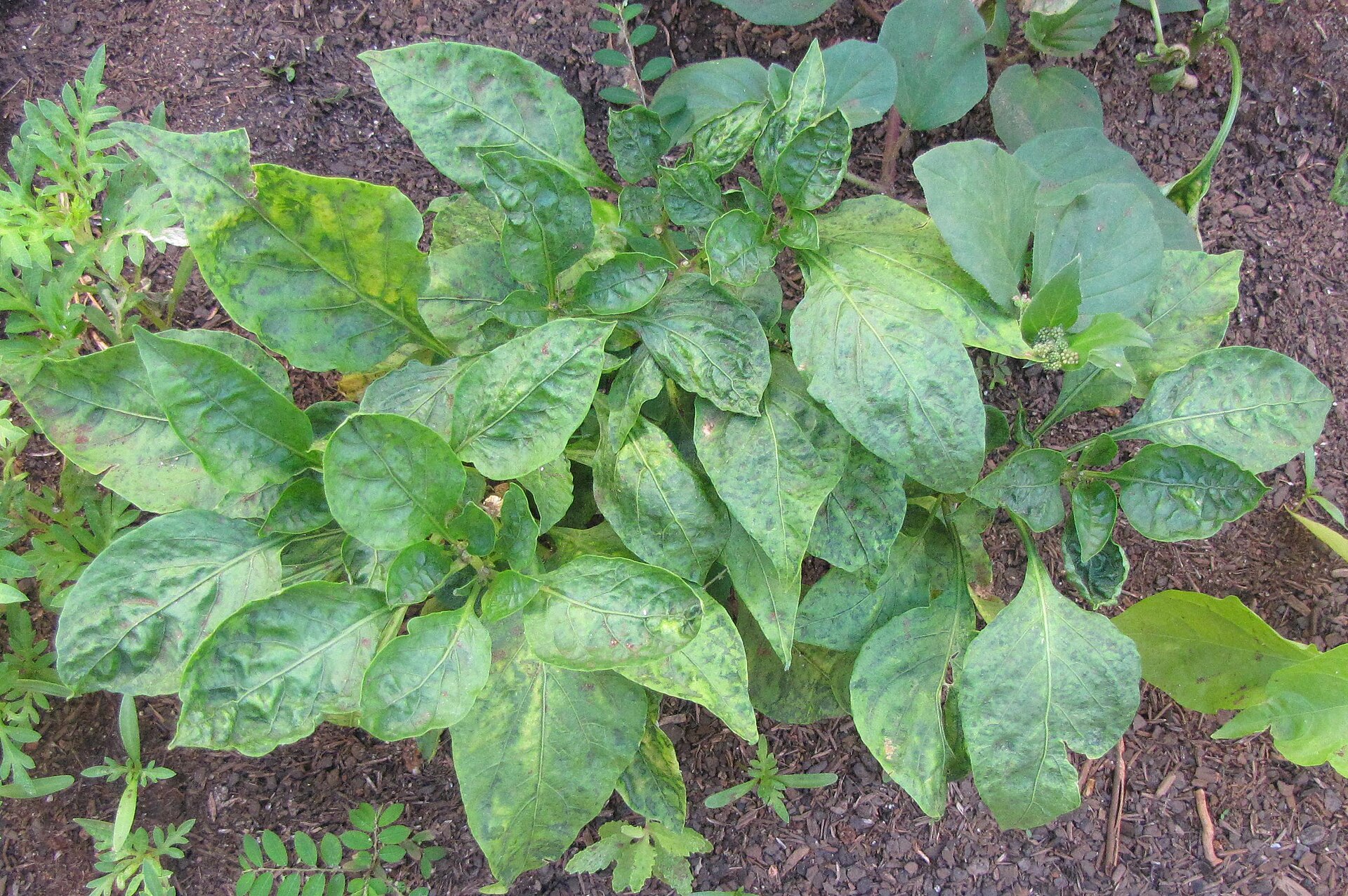
About this problem
Impatiens necrotic spot virus (INSV) is a serious viral disease that affects many ornamental plants, including impatiens, begonias, and chrysanthemums. The virus is transmitted by thrips, small insects that feed on plant sap. Once a plant is infected, the virus causes necrotic spots or lesions on leaves, stems, and sometimes flowers. Over time, these spots can coalesce, leading to significant tissue damage and plant decline. Infected plants often exhibit stunted growth and may eventually die if not managed properly. INSV can be confused with other viral diseases or nutrient deficiencies, but the presence of thrips and characteristic necrotic spots are key indicators.
Symptoms
- Necrotic spots on leaves
- Stunted growth
- Leaf drop
- Wilting
- Brown spots on leaves
Cause
Impatiens necrotic spot virus is caused by Orthotospovirus and is primarily spread by thrips. The virus can be introduced to a garden through infected plants or by thrips migrating from nearby infected areas.
Conditions that favour it
- Presence of thrips
- High humidity
- Crowded plantings
- Poor air circulation
- Warm temperatures
Lifecycle and spread
INSV is spread by thrips, which acquire the virus by feeding on infected plants and then transmit it to healthy plants. The virus does not overwinter in the soil but can persist in infected plant material and thrips populations. Breaking the cycle involves controlling thrips and removing infected plants.
Plants most affected
- Impatiens
- Begonias
- Chrysanthemums
- Petunias
- Tomatoes
- Peppers
- Lettuce
- Orchids
- Fuchsias
- Cyclamen
Treatment
Educational information only, and not a substitute for professional diagnosis. Identify the problem before treating it, and check that any product is registered for this plant and this use where you live.
Cultural control
- Increase plant spacing to improve air circulation
- Remove and destroy infected plants promptly
- Regularly inspect plants for thrips
- Use reflective mulches to deter thrips
- Maintain proper sanitation in the growing area
Organic options
- Neem oil for thrips control
- Insecticidal soap to reduce thrips populations
- Sticky traps to monitor and capture thrips
Chemical options
- Spinosad For thrips control
- Imidacloprid For systemic control of thrips
Read and follow the product label. The label is the legally binding instruction. Confirm the product is registered for this plant and for this use in your area before applying it.
Prevention
- Purchase virus-free plants
- Implement thrips monitoring and control measures
- Avoid planting susceptible species near infected areas
- Ensure good sanitation practices
- Use resistant plant varieties if available