Hosta virus X
Hosta virus X (HVX) is a viral disease affecting hostas, characterized by mottled or mosaic patterns on the leaves. It can cause distortion and discoloration, but often does not kill the plant.
About this problem
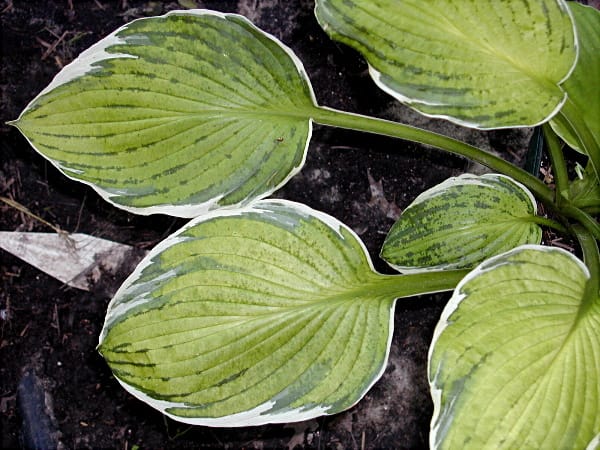
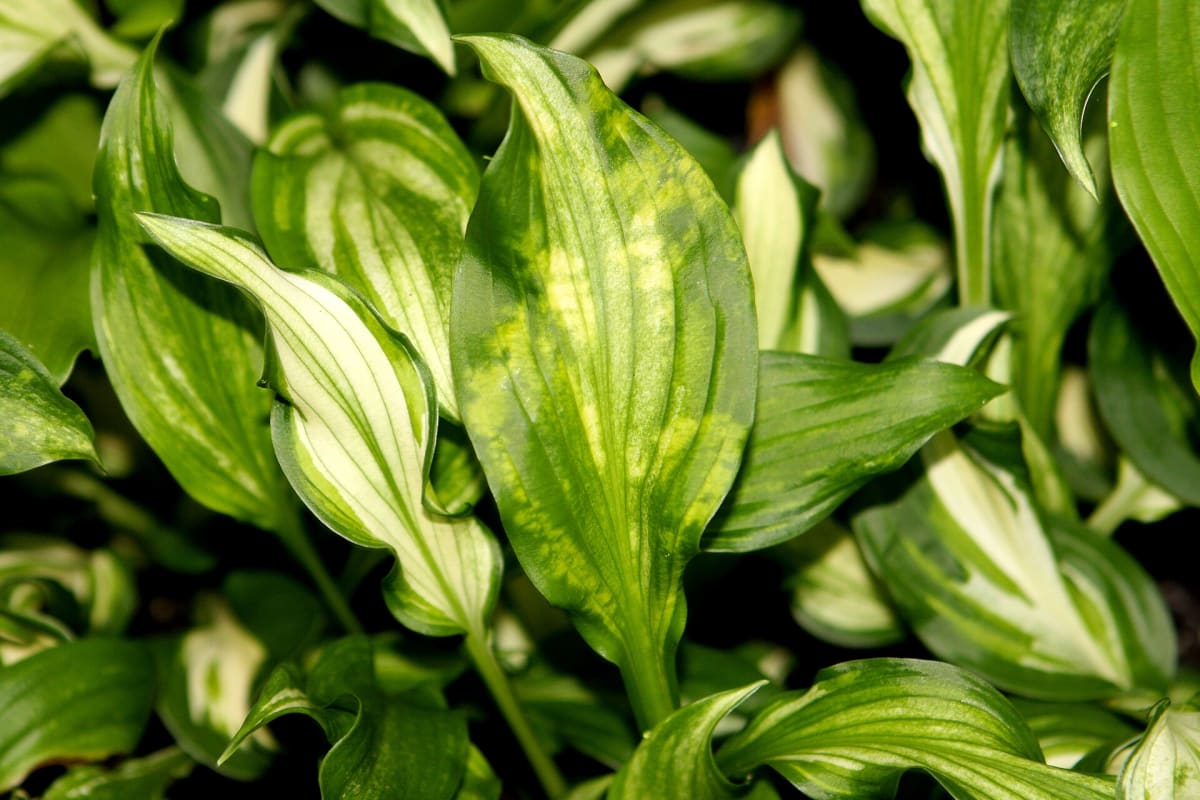
Hosta virus X (HVX) is a plant disease caused by a virus in the Potexvirus genus. It primarily affects hostas, a popular shade-loving perennial. The virus is transmitted through sap, often via contaminated tools or by handling infected plants. Initially, infected hostas may not show symptoms, but over time, distinctive mottled or mosaic patterns develop on the leaves. These patterns can vary in color, often appearing as dark green spots or streaks against a lighter green background. As the disease progresses, leaves may become distorted, and the plant's overall vigor may decline. HVX is sometimes confused with other viral infections or nutrient deficiencies, but its unique leaf patterns are a key diagnostic feature.
Symptoms
- Mottled or mosaic leaf patterns
- Dark green streaks on leaves
- Leaf distortion
- Reduced plant vigor
- Discoloration of leaves
Cause
Hosta virus X is caused by a Potexvirus, which spreads through sap transfer. This often occurs via contaminated gardening tools or by handling infected plants.
Conditions that favour it
- Use of contaminated tools
- Handling infected plants
- Dense planting
- Poor sanitation practices
Lifecycle and spread
HVX spreads primarily through mechanical means, such as contaminated tools or direct contact with infected plants. It does not spread through the air or by insects. The virus can persist in infected plants and is difficult to eradicate once established. Breaking the cycle involves strict sanitation and avoiding the spread of sap.
Plants most affected
- Hosta
- Plantain lily
- Funkia
Treatment
Educational information only, and not a substitute for professional diagnosis. Identify the problem before treating it, and check that any product is registered for this plant and this use where you live.
Cultural control
- Disinfect tools regularly
- Avoid handling plants when wet
- Space plants to improve airflow
- Remove and destroy infected plants
Organic options
- Neem oil for general plant health
- Horticultural oil to deter sap transfer
Chemical options
- Copper-based fungicide Used to prevent secondary infections
Read and follow the product label. The label is the legally binding instruction. Confirm the product is registered for this plant and for this use in your area before applying it.
Prevention
- Purchase virus-free plants
- Regularly disinfect gardening tools
- Avoid working with plants when wet
- Inspect new plants for symptoms before planting