Dead plant
A dead plant is one that has ceased all biological functions necessary for life. This can occur due to a variety of environmental, nutritional, or natural ageing factors.
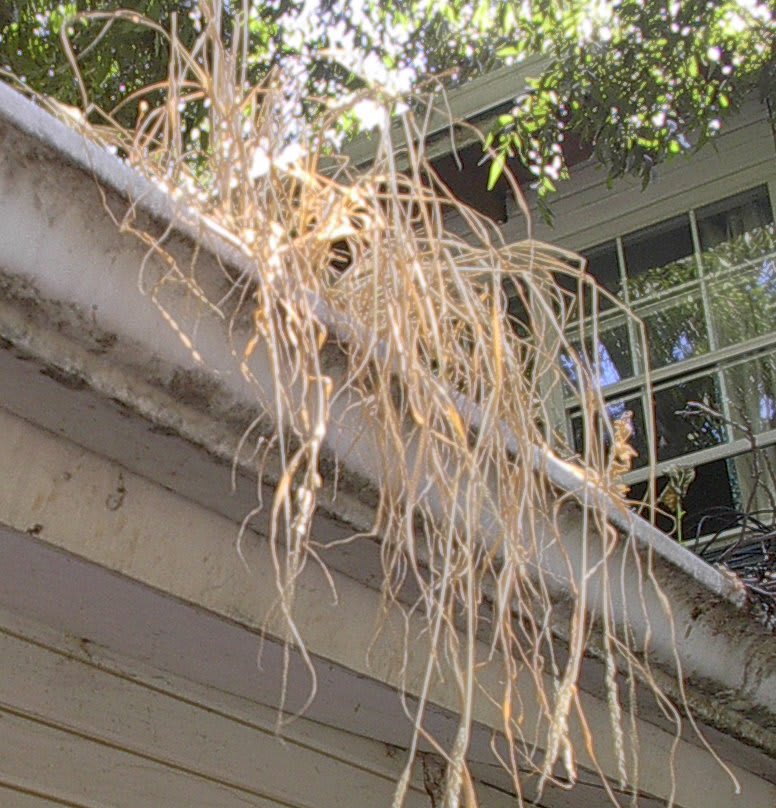
Ted Garvin CC-BY-SA-2.5
vetcw3 CC-BY-SA-2.0Trecherouss Utopiia CC-BY-SA-4.0Forest and Kim Starr CC-BY-3.0ערן רזניק CC-BY-SA-4.0
What you see
When a plant is dead, it no longer exhibits any signs of life, such as growth, photosynthesis, or water uptake. This condition can result from prolonged exposure to adverse environmental conditions, such as extreme temperatures, drought, or waterlogging. Nutritional deficiencies or toxicities can also lead to plant death if not addressed over time. Additionally, plants have a natural lifespan, and death is an inevitable part of their life cycle. Determining whether a plant is dead or simply dormant can sometimes be challenging. A dead plant will have brittle stems, no green tissue, and roots that are dark and mushy. In contrast, a dormant plant may still have some pliable stems and viable roots. Unlike diseases, which are caused by pathogens, a dead plant results from non-infectious factors. It is important to assess the growing conditions and care practices to prevent future occurrences.
Symptoms
- No new growth
- Brittle stems
- Brown, dry leaves
- Dark, mushy roots
- No green tissue present
Why it happens
The plant has ceased all biological functions due to environmental stress, nutritional issues, or natural ageing.
Conditions that favour it
How to correct it
Educational information only, and not a substitute for professional diagnosis. Identify the problem before treating it, and check that any product is registered for this plant and this use where you live.
Cultural control
- Remove dead plant material
- Assess and improve soil drainage
- Ensure proper watering practices
- Provide adequate sunlight
- Monitor and adjust nutrient levels
Prevention
- Regularly monitor plant health
- Maintain consistent watering schedule
- Protect plants from extreme weather
- Ensure balanced fertilization
- Choose plants suitable for the climate
Sources
- University of California Agriculture and Natural Resources
- Clemson Cooperative Extension
- Iowa State University Extension and Outreach