Cucumber mosaic virus
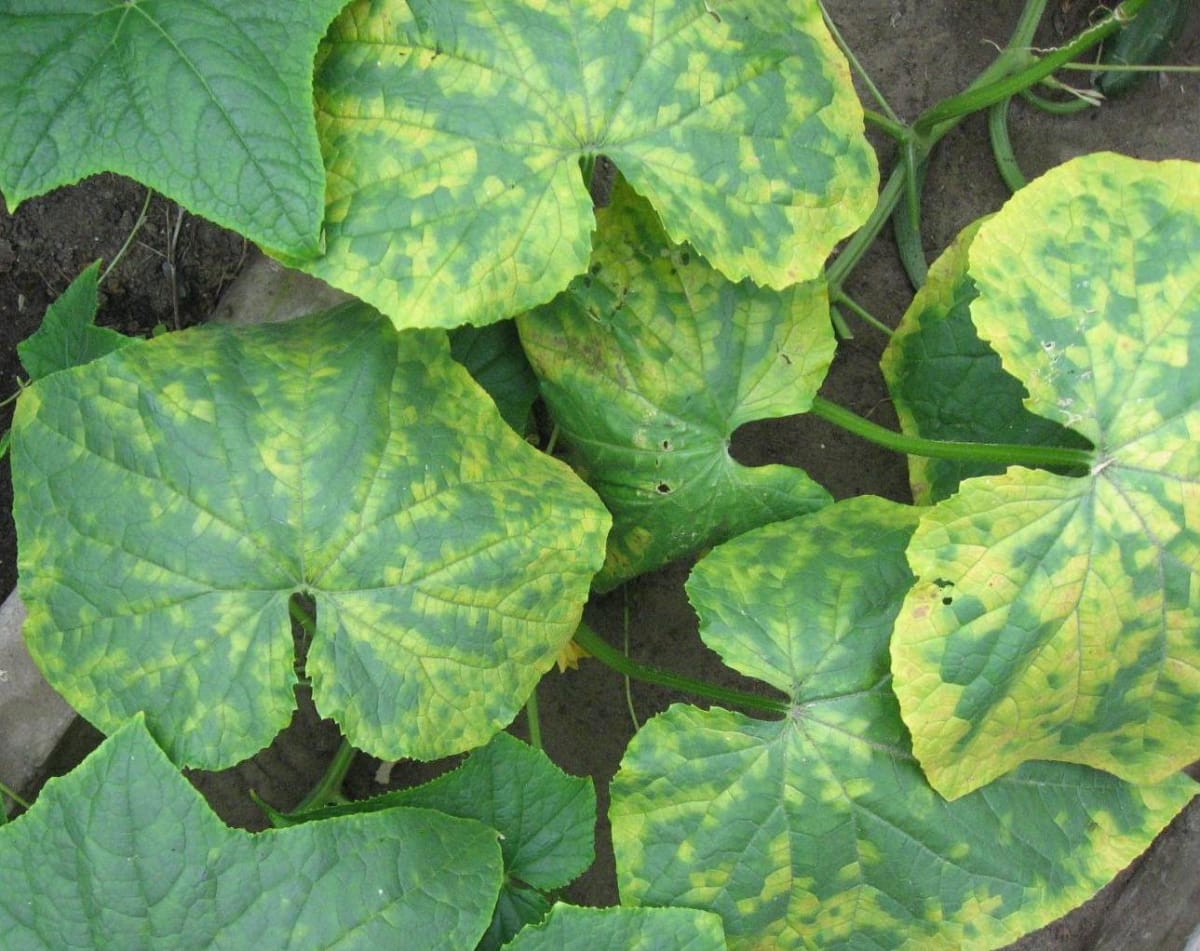
Cucumber mosaic virus (CMV) is a widespread plant virus that affects a wide range of host plants, causing symptoms such as mosaic patterns on leaves, stunted growth, and leaf curling. It is transmitted by aphids and can lead to significant yield losses if not managed properly.
About this problem
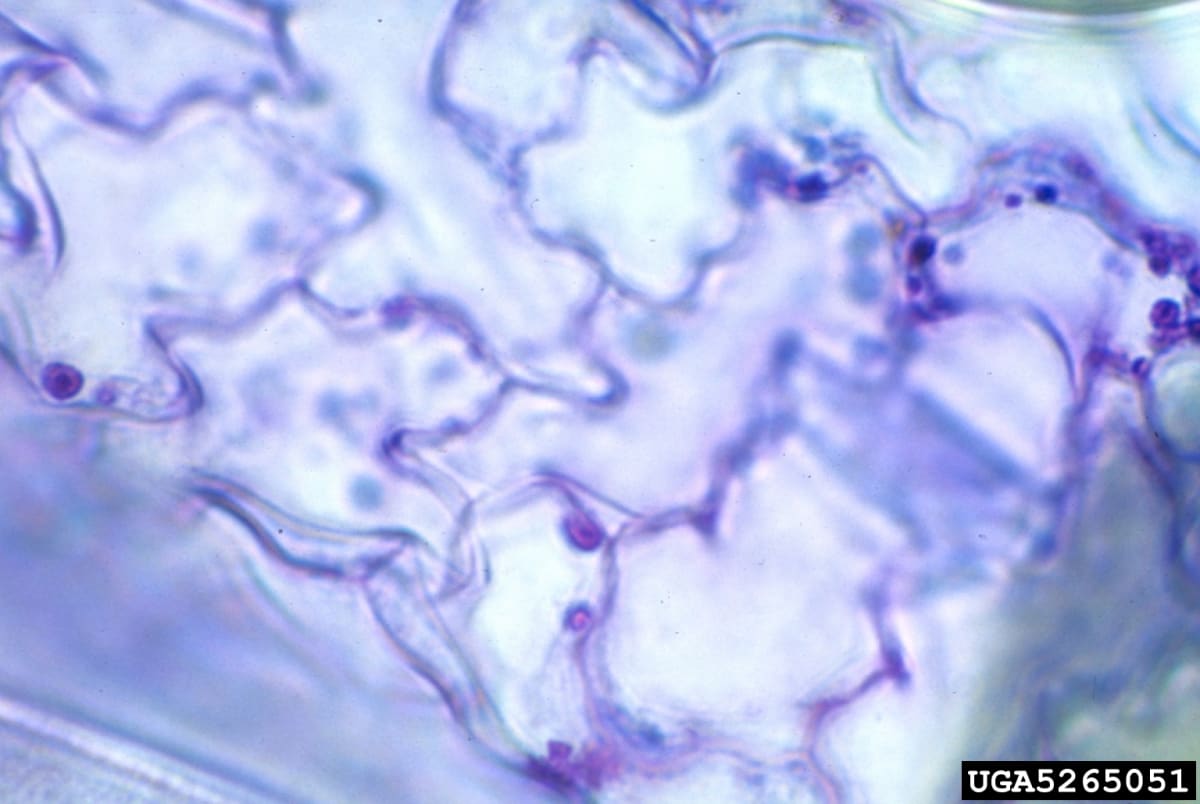
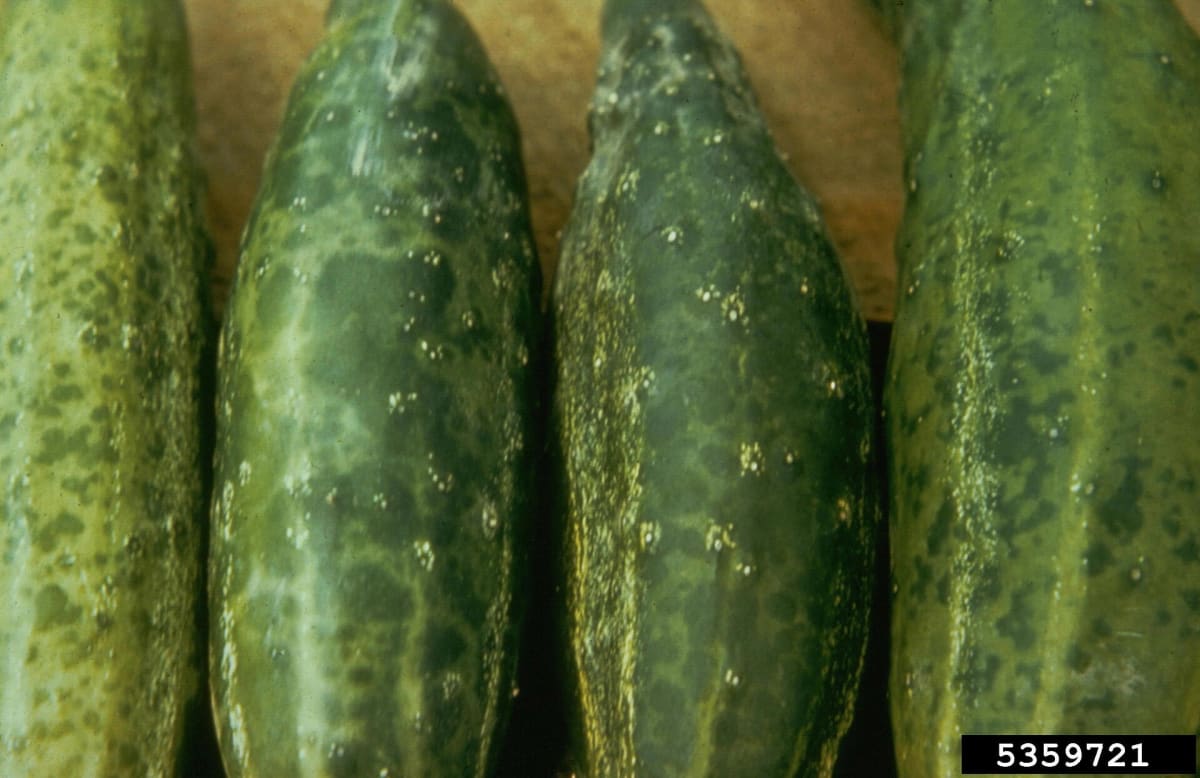
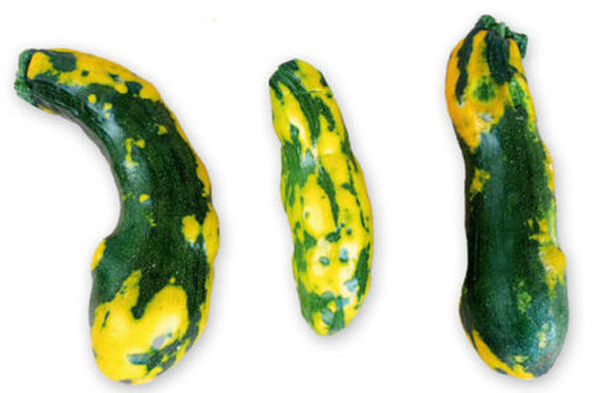
Cucumber mosaic virus (CMV) is caused by a virus belonging to the Cucumovirus genus. It is one of the most common plant viruses and affects over 1,200 plant species, including many vegetables, ornamentals, and weeds. The virus is primarily spread by aphids in a non-persistent manner, meaning the aphid can acquire and transmit the virus quickly. Once a plant is infected, symptoms can vary depending on the host species and environmental conditions. Common symptoms include mosaic or mottled patterns on the leaves, leaf curling, and stunted growth. In some cases, fruit may also be deformed or show color breaking. These symptoms can be confused with those caused by other viruses or nutrient deficiencies, making accurate diagnosis important. CMV can survive in perennial weeds and volunteer plants, which serve as reservoirs for the virus. Managing these potential sources of infection is crucial for controlling the spread of the virus. Additionally, controlling aphid populations can help reduce the incidence of CMV.
Symptoms
- Mosaic or mottled patterns on leaves
- Leaf curling
- Stunted growth
- Deformed fruit
- Color breaking on fruit
Cause
Cucumber mosaic virus is caused by the Cucumovirus, which is transmitted by aphids. The virus can also spread through infected seeds and mechanical means. Weeds and volunteer plants can act as reservoirs for the virus.
Conditions that favour it
- Presence of aphids
- Warm temperatures
- High humidity
- Presence of perennial weeds
- Overcrowded plantings
Lifecycle and spread
CMV is primarily spread by aphids, which acquire the virus from infected plants and transmit it to healthy ones. The virus can overwinter in perennial weeds and volunteer plants, acting as a source of infection in the following growing season. Breaking the cycle involves controlling aphid populations and removing potential reservoirs of the virus.
Plants most affected
- Cucumber
- Tomato
- Pepper
- Squash
- Melon
- Spinach
- Celery
- Lettuce
- Petunia
- Zinnia
Treatment
Educational information only, and not a substitute for professional diagnosis. Identify the problem before treating it, and check that any product is registered for this plant and this use where you live.
Cultural control
- Remove and destroy infected plants
- Control weeds that may harbor the virus
- Increase plant spacing to improve air circulation
- Implement crop rotation
- Use virus-free seeds
Organic options
- Neem oil for aphid control
- Insecticidal soap for aphid management
- Horticultural oil to deter aphids
Chemical options
- Imidacloprid Used for controlling aphid populations
Read and follow the product label. The label is the legally binding instruction. Confirm the product is registered for this plant and for this use in your area before applying it.
Prevention
- Use resistant plant varieties
- Implement strict sanitation practices
- Monitor and control aphid populations
- Remove weeds and volunteer plants
- Avoid planting susceptible species near infected areas