Confederate Jasmine
Trachelospermum jasminoides
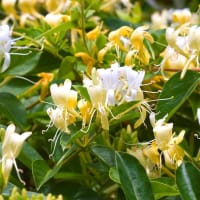
Confederate Jasmine, or Trachelospermum jasminoides, is a fragrant, climbing vine native to East Asia. Known for its star-shaped flowers and lush green foliage, it is a popular choice for trellises and arbors, adding beauty and fragrance to gardens.
Everything it needs
9 essentials at a glance
Watering
Confederate Jasmine prefers consistently moist soil but should not be waterlogged.
Water every 1-2 weeks, allowing the top inch of soil to dry out between waterings. In the growing season (spring and summer), increase frequency to weekly. Signs of over-watering include yellowing leaves and root rot, while under-watering may cause wilting and leaf drop.
Light
This plant thrives in full sun to partial shade, ideally receiving 6-8 hours of direct sunlight daily.
It can tolerate some shade, especially in hotter climates, but too much shade may hinder flowering. Ideal placement includes south or west-facing locations.
Soil
Confederate Jasmine prefers well-draining soil with a pH range of 6.0 to 7.0.
A mix of potting soil, perlite, and compost is recommended to ensure good drainage and nutrient retention. Avoid heavy clay soils that retain too much moisture.
Humidity
This plant enjoys moderate to high humidity levels, ideally between 40-60%.
To increase humidity, mist the leaves regularly or place a humidity tray filled with water near the plant. Signs of humidity stress include browning leaf tips and leaf drop.
Temperature
Confederate Jasmine thrives in temperatures between 60-75°F (15-24°C) and is hardy in zones 8-10.
It can tolerate brief periods of cold down to 20°F (-6°C) but should be protected from frost. In winter, keep it in a warmer area to maintain growth.
Fertilizing
Use a balanced fertilizer with an NPK ratio of 10-10-10 or similar.
Fertilize every 4-6 weeks during the growing season (spring and summer) and reduce frequency in fall and winter. Signs of nutrient deficiency include yellowing leaves and poor growth.
Pruning
Prune Confederate Jasmine in late winter or early spring before new growth begins.
Use sharp, clean pruning shears to remove dead or damaged stems and to shape the plant. Deadheading spent flowers encourages more blooms. Regular pruning helps maintain a tidy appearance and promotes bushier growth.
Repotting
Repot every 2-3 years or when the plant becomes root-bound.
Signs it needs repotting include roots growing out of the drainage holes or stunted growth. Choose a pot 1-2 inches larger in diameter, and gently loosen the roots before placing it in fresh potting mix.
Propagation
Propagation can be done through stem cuttings or layering.
For stem cuttings, take 4-6 inch cuttings in spring, remove lower leaves, and dip the cut end in rooting hormone. Plant in a moist potting mix and cover with a plastic bag to maintain humidity. Roots should develop in 4-6 weeks. Layering involves bending a low branch to the ground, covering it with soil, and waiting for roots to form before severing from the parent plant.
When it's unhappy
Yellow leaves
Why it happens
Over-watering or nutrient deficiency.
How to fix it
Check soil moisture levels and adjust watering schedule. Fertilize if nutrient deficiency is suspected.
Wilting leaves
Why it happens
Under-watering or extreme heat.
How to fix it
Increase watering frequency and ensure the plant is not exposed to excessive heat.
Leaf drop
Why it happens
Sudden changes in temperature or humidity.
How to fix it
Maintain consistent environmental conditions and avoid drafts.
Pest infestations (e.g., aphids, spider mites)
Why it happens
High temperatures and low humidity can attract pests.
How to fix it
Inspect regularly, and treat with insecticidal soap or neem oil as needed.
Poor flowering
Why it happens
Insufficient sunlight or lack of pruning.
How to fix it
Ensure the plant receives adequate sunlight and prune to encourage new growth.
Care through the year
Spring
In spring, increase watering as the plant begins to actively grow. Fertilize with a balanced fertilizer and prune any dead or damaged stems.
Summer
During summer, ensure the plant receives adequate water, especially in hot weather. Monitor for pests and maintain humidity levels.
Fall
In fall, reduce watering as growth slows. Prepare the plant for winter by pruning and checking for any signs of disease or pests.
Winter
In winter, keep the plant in a warmer area to prevent cold damage. Water less frequently and avoid fertilizing until spring.
Toxicity & Safety
Confederate Jasmine is considered mildly toxic to pets, particularly cats and dogs. Ingestion of the leaves or stems may cause gastrointestinal upset, including vomiting and diarrhea. Keep out of reach of children and pets.
Good to know
Why are my Confederate Jasmine leaves turning yellow?
Yellow leaves can indicate over-watering or a nutrient deficiency. Check the soil moisture and adjust your watering schedule accordingly.
How often should I water my Confederate Jasmine?
Water every 1-2 weeks, allowing the top inch of soil to dry out between waterings. Increase frequency during the growing season.
What light conditions are best for Confederate Jasmine?
Confederate Jasmine thrives in full sun to partial shade, ideally receiving 6-8 hours of direct sunlight daily for optimal growth and flowering.
How do I propagate Confederate Jasmine?
You can propagate Confederate Jasmine through stem cuttings or layering. For cuttings, take 4-6 inch sections in spring, and for layering, bend a low branch to the ground and cover it with soil.
What is the best fertilizer for Confederate Jasmine?
A balanced fertilizer with an NPK ratio of 10-10-10 is ideal. Fertilize every 4-6 weeks during the growing season for best results.
When should I prune my Confederate Jasmine?
Prune in late winter or early spring before new growth begins to maintain shape and encourage bushier growth.
Is Confederate Jasmine toxic to pets?
Yes, Confederate Jasmine is mildly toxic to pets, particularly cats and dogs. Ingestion can cause gastrointestinal upset.
Grows well with

Track this plant in your garden.
Set care reminders, log growth, and join a community of plant lovers.