Coralbells
Heuchera sanguinea · Coral BellsUSDA | Grow Zone
3-8Outdoors all year in zones 3 to 8. Anywhere colder, keep it as a houseplant. Protect it below 32°F.
- Light
- Partial to full shade
- Water
- When top inch is dry
- Humidity
- 40-60%
- Temperature
- 60-75°F
- Difficulty
- Beginner
- Growth
- Moderate
- Mature size
- 12-18 in tall
- Pets
- Non-toxic to pets
Heuchera sanguinea, commonly known as Coral Bells, is a stunning perennial prized for its colorful foliage and delicate flowers. Native to North America, this plant thrives in shaded areas, making it a favorite for woodland gardens and shaded borders.
Ask Vesper about Coralbells
Ideal temperature
60-75°F is where it grows fastest. Below 32°F cold damage starts.
Spacing and harvest
- Mature size
- 12-18 in tall
- Plant apart
- 12-24 in
- Frost
- Half hardy: light frost only
Everything it needs
9 essentials at a glance
Watering
Heuchera sanguinea prefers consistently moist soil but should not be waterlogged.
Water when the top inch of soil feels dry, typically every 1-2 weeks. During hotter months, you may need to increase frequency. Signs of over-watering include yellowing leaves and root rot, while under-watering may cause wilting and browning leaf edges.
Light
This plant thrives in partial shade to full shade, ideally receiving 4-6 hours of indirect sunlight daily.
Too much direct sunlight can scorch the leaves, while too little light may inhibit growth and flowering. A location under taller plants or trees is often ideal.
Soil
Heuchera sanguinea prefers well-draining soil with a pH range of 6.0 to 7.0.
A mix of loamy soil and organic matter, such as compost, is recommended to ensure good drainage while retaining moisture. Avoid heavy clay soils that can retain too much water.
Humidity
This plant enjoys moderate humidity levels, around 40-60%.
To increase humidity, consider misting the leaves or placing a humidifier nearby. Conversely, if humidity is too high, it may lead to fungal issues. Signs of humidity stress include browning leaf tips and wilting.
Temperature
Heuchera sanguinea thrives in temperatures between 60-75°F (15-24°C) and is hardy in zones 3-8.
It can tolerate light frost but should be protected from extreme heat above 85°F (29°C). During winter, mulch around the base can help insulate the roots.
Fertilizing
Use a balanced, slow-release fertilizer with an NPK ratio of 10-10-10, applied in early spring.
Fertilize every 6-8 weeks during the growing season. Signs of nutrient deficiency include yellowing leaves and poor growth, which can be remedied with proper fertilization.
Pruning
Prune Heuchera sanguinea in early spring to remove any dead or damaged leaves and to promote new growth.
Use clean, sharp scissors or pruning shears. Deadheading spent flowers can encourage further blooming and maintain the plant's appearance.
Repotting
Repot every 2-3 years or when the plant becomes root-bound.
Choose a pot that is 1-2 inches larger in diameter than the current one. Signs it needs repotting include roots growing out of the drainage holes and stunted growth. Carefully remove the plant, loosen the roots, and place it in fresh potting mix.
Propagation
Propagation can be done through division or seeds.
For division, carefully dig up the plant in spring or fall, and separate the root ball into sections with at least one crown. Replant immediately. If using seeds, sow them in spring after the last frost, covering lightly with soil.
When it's unhappy
Yellow leaves
Why it happens
Over-watering or nutrient deficiency.
How to fix it
Check soil moisture levels and adjust watering accordingly. Fertilize if nutrient deficiency is suspected.
Wilting leaves
Why it happens
Under-watering or high temperatures.
How to fix it
Increase watering frequency and ensure the plant is in a suitable temperature range.
Leaf scorch
Why it happens
Too much direct sunlight.
How to fix it
Move the plant to a shadier location to protect it from harsh sun exposure.
Fungal issues
Why it happens
High humidity and poor air circulation.
How to fix it
Improve air circulation around the plant and reduce humidity if necessary. Treat with a fungicide if needed.
Stunted growth
Why it happens
Root-bound conditions or nutrient deficiency.
How to fix it
Repot the plant into a larger container and ensure proper fertilization.
Care through the year
Spring
In spring, prune dead leaves and fertilize to encourage new growth. Monitor for pests as new growth emerges.
Summer
During summer, ensure consistent watering, especially in hot weather. Provide shade if temperatures rise above 85°F (29°C).
Fall
In fall, reduce watering as growth slows down. Mulch around the base to protect roots during winter.
Winter
In winter, protect from extreme cold with mulch. Avoid over-watering to prevent root rot during dormancy.
Toxicity & Safety
Heuchera sanguinea is generally considered non-toxic to pets and children. However, ingestion of large quantities may cause mild gastrointestinal upset. Always monitor pets and children around plants.
Good to know
How often should I water my Coral Bells?
Water your Coral Bells when the top inch of soil feels dry, typically every 1-2 weeks. Adjust frequency based on weather conditions.
What light conditions do Coral Bells prefer?
Coral Bells thrive in partial shade to full shade, ideally receiving 4-6 hours of indirect sunlight daily to prevent leaf scorch.
How do I propagate Heuchera sanguinea?
You can propagate Coral Bells through division in spring or fall. Carefully separate the root ball into sections and replant immediately.
Why are my Coral Bells leaves turning yellow?
Yellow leaves can indicate over-watering or nutrient deficiency. Check soil moisture and consider fertilizing if needed.
What is the ideal temperature for Coral Bells?
Heuchera sanguinea thrives in temperatures between 60-75°F (15-24°C) and is hardy in zones 3-8, tolerating light frost.
When should I prune my Coral Bells?
Prune Coral Bells in early spring to remove dead or damaged leaves and promote new growth. Deadhead spent flowers for continued blooming.
What are common pests for Heuchera sanguinea?
Common pests include aphids and slugs. Regularly inspect your plants and treat infestations with insecticidal soap or natural remedies.
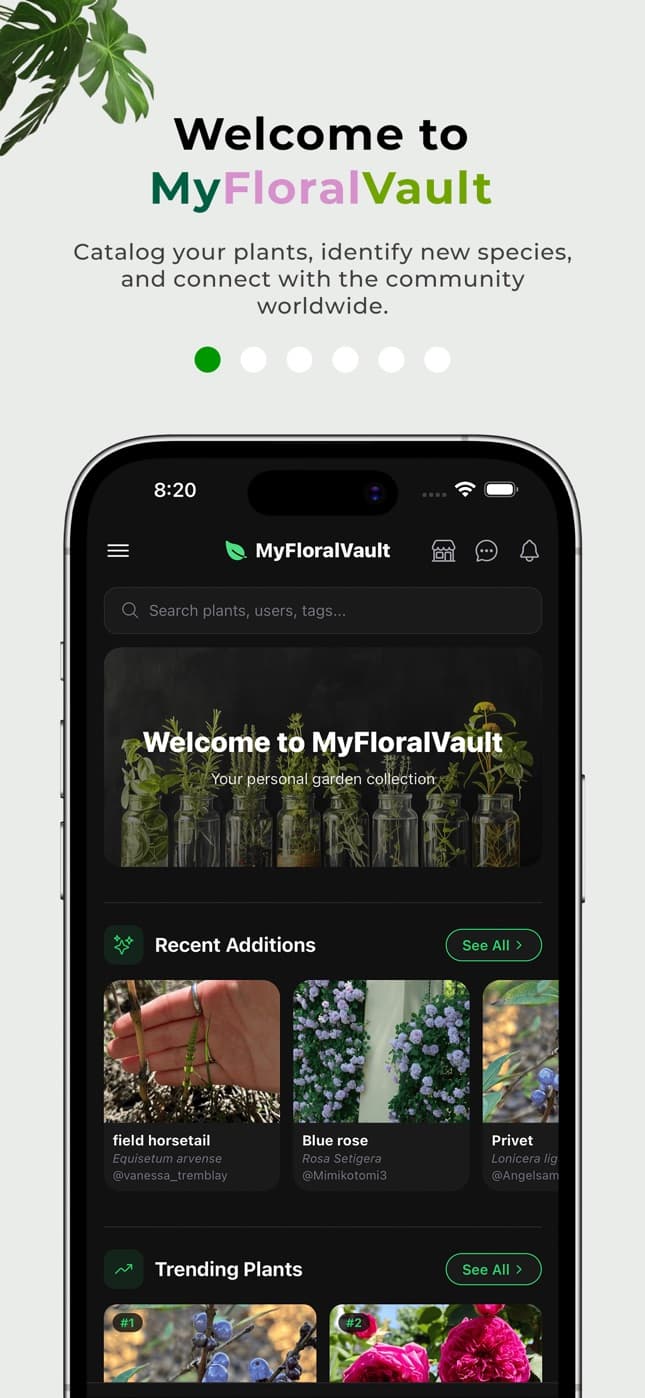
Track this plant in your garden.
Set care reminders, log growth, and join a community of plant lovers.