Cantaloupe
Cucumis Melo
Cucumis Melo, commonly known as cantaloupe, muskmelon, or honeydew melon, is a delicious and refreshing fruit that thrives in warm climates. Grown for its sweet, juicy flesh, this plant is a favorite in summer gardens, offering both beauty and bounty.
Everything it needs
9 essentials at a glance
Watering
Cucumis Melo prefers consistent moisture, especially during fruit development.
Water deeply once a week, ensuring the soil is moist but not soggy. During hot summer months, you may need to water more frequently, up to twice a week. Signs of over-watering include yellowing leaves and root rot, while under-watering can cause wilting and dry, cracked fruits.
Light
Cucumis Melo thrives in full sun, requiring at least 6-8 hours of direct sunlight daily.
Ideal placement includes a south-facing garden bed or a sunny patio. While it can tolerate partial shade, reduced sunlight can lead to poor fruit development and lower yields.
Soil
The ideal soil for Cucumis Melo is well-draining, sandy loam with a pH range of 6.0 to 6.8.
Ensure good drainage to prevent root rot, and consider using a potting mix designed for vegetables, enriched with compost to provide nutrients.
Humidity
Cucumis Melo prefers moderate humidity levels, around 50-70%.
To increase humidity, consider misting the plants or placing a tray of water nearby. Signs of humidity stress include wilting leaves and poor fruit set, while excessive humidity can lead to fungal diseases.
Temperature
Cucumis Melo thrives in warm temperatures, ideally between 70-90°F (21-32°C).
It is sensitive to frost and should be planted after the last frost date in USDA hardiness zones 3-11. Protect young plants from cold temperatures and ensure they are well-established before extreme heat.
Fertilizing
Use a balanced fertilizer with an NPK ratio of 10-10-10 or a slow-release vegetable fertilizer.
Fertilize every 4-6 weeks during the growing season, starting when seedlings are about 4 inches tall. Signs of nutrient deficiency include yellowing leaves and poor fruit development.
Pruning
Prune Cucumis Melo by removing any dead or yellowing leaves to improve air circulation.
Pinch off the tips of the main vine after it has produced 4-5 fruits to encourage lateral growth and more fruit production. Use clean, sharp pruning shears to avoid damaging the plant.
Repotting
If growing in containers, repot Cucumis Melo when roots begin to outgrow the pot, typically every 1-2 years.
Choose a pot that is 2-4 inches larger in diameter. Signs it needs repotting include roots growing out of the drainage holes and stunted growth. Carefully remove the plant from its pot, loosen the roots, and place it in fresh potting mix.
Propagation
Cucumis Melo can be propagated from seeds.
Start seeds indoors 4-6 weeks before the last frost or sow directly in the garden after the soil has warmed. Plant seeds 1 inch deep and 2 feet apart in rows. Thin seedlings to maintain proper spacing once they reach a few inches tall.
When it's unhappy
Powdery mildew
Why it happens
High humidity and poor air circulation.
How to fix it
Improve air circulation around the plant, avoid overhead watering, and apply a fungicide if necessary.
Blossom end rot
Why it happens
Calcium deficiency or inconsistent watering.
How to fix it
Ensure consistent watering and consider adding lime to the soil to increase calcium levels.
Fruit flies
Why it happens
Overripe or damaged fruits attracting pests.
How to fix it
Regularly check for damaged fruits and remove them, and use traps or insecticidal soap to manage the fly population.
Wilting leaves
Why it happens
Under-watering or root rot.
How to fix it
Check soil moisture levels, water deeply if dry, and ensure proper drainage to prevent root rot.
Yellowing leaves
Why it happens
Nutrient deficiency or over-watering.
How to fix it
Assess watering habits and consider fertilizing with a balanced fertilizer if nutrient deficiency is suspected.
Care through the year
Spring
In spring, prepare the soil by adding compost and ensure it is warm enough for planting. Start seeds indoors or sow directly after the last frost.
Summer
During summer, maintain consistent watering and monitor for pests and diseases. Fertilize every 4-6 weeks to support fruit development.
Fall
In fall, harvest melons when ripe and clear the garden of any debris to prevent overwintering pests. Consider planting a cover crop.
Winter
In winter, if in a warmer zone, mulch around the base of plants to protect roots. In colder zones, remove any remaining plants and prepare the garden for spring.
Toxicity & Safety
Cucumis Melo is non-toxic to pets and children. All parts of the plant are safe for consumption, though excessive consumption of the fruit may cause digestive upset in some individuals.
Good to know
How often should I water my cantaloupe plants?
Water your cantaloupe plants deeply once a week, increasing frequency during hot weather. Ensure the soil remains moist but not soggy to prevent root rot.
Why are my cantaloupe leaves turning yellow?
Yellowing leaves can indicate over-watering or a nutrient deficiency. Check your watering schedule and consider fertilizing with a balanced fertilizer.
What is the best soil for growing muskmelon?
Muskmelon thrives in well-draining sandy loam with a pH of 6.0 to 6.8. Adding compost can enhance soil fertility and drainage.
When should I harvest my honeydew melon?
Harvest honeydew melons when they are slightly soft to the touch and the skin turns a creamy yellow color. The stem should also start to dry out.
Can I grow cantaloupe in containers?
Yes, cantaloupe can be grown in containers. Choose a large pot with good drainage and provide support for the vines as they grow.
How can I prevent powdery mildew on my cantaloupe?
Prevent powdery mildew by ensuring good air circulation, avoiding overhead watering, and applying fungicides if necessary.
What companion plants are good for cantaloupe?
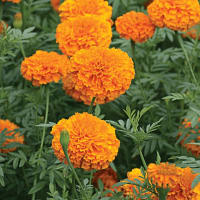
Companion plants like basil, marigold, and corn can benefit cantaloupe by repelling pests and attracting pollinators.
Grows well with
Track this plant in your garden.
Set care reminders, log growth, and join a community of plant lovers.