Shungiku
Chrysanthemum Coronarium
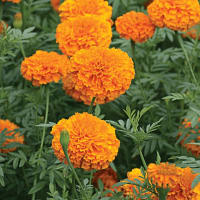
Chrysanthemum coronarium, commonly known as Crown Daisy or Shungiku, is a vibrant flowering plant native to Asia. Valued for its edible leaves and striking blooms, it is a favorite in gardens and culinary dishes alike.
Everything it needs
9 essentials at a glance
Watering
Chrysanthemum coronarium prefers consistently moist soil but should not be waterlogged.
Water the plant thoroughly when the top inch of soil feels dry, typically every 3-5 days during the growing season. In hotter months, you may need to water more frequently. Signs of over-watering include yellowing leaves and root rot, while under-watering may cause wilting and drooping leaves.
Light
This plant thrives in full sun, requiring at least 6-8 hours of direct sunlight daily.
Ideal placement includes a south-facing garden bed or patio where it can soak up the sun. It can tolerate partial shade but may produce fewer flowers and have leggy growth in lower light conditions.
Soil
Chrysanthemum coronarium prefers well-draining soil with a pH range of 6.0 to 7.0.
A mix of loamy soil with organic matter, such as compost, is ideal. Ensure good drainage to prevent root rot, and consider using a potting mix designed for flowering plants.
Humidity
This plant prefers moderate humidity levels around 40-60%.
To increase humidity, you can mist the leaves or place a humidity tray filled with water and pebbles nearby. Signs of humidity stress include browning leaf tips and wilting.
Temperature
Chrysanthemum coronarium thrives in temperatures between 60-75°F (15-24°C) and is hardy in zones 9-11.
It can tolerate light frost but should be protected from extreme heat above 85°F (29°C) to prevent stress and flower drop.
Fertilizing
Use a balanced fertilizer with an NPK ratio of 10-10-10 every 4-6 weeks during the growing season.
Reduce fertilization in late summer as the plant prepares for dormancy. Signs of nutrient deficiency include yellowing leaves, poor growth, and reduced flowering.
Pruning
Prune Chrysanthemum coronarium in early spring to remove dead or damaged stems and promote bushier growth.
Use clean, sharp pruning shears for the best results. Deadheading spent flowers throughout the blooming season encourages more blooms and prevents the plant from going to seed too early.
Repotting
Repot every 1-2 years or when the plant becomes root-bound.
Choose a pot that is 1-2 inches larger in diameter than the current one. Signs it needs repotting include roots growing out of drainage holes and stunted growth. To repot, gently remove the plant from its pot, loosen any tightly bound roots, and place it in fresh soil.
Propagation
Propagation can be done through seeds or division.
For seeds, sow them indoors 6-8 weeks before the last frost or directly outdoors after the frost. For division, carefully separate established clumps in spring or fall, ensuring each division has roots and shoots. Replant immediately in well-prepared soil.
When it's unhappy
Yellow leaves
Why it happens
Over-watering or nutrient deficiency.
How to fix it
Check soil moisture and reduce watering frequency. Fertilize with a balanced fertilizer if nutrient deficiency is suspected.
Wilting leaves
Why it happens
Under-watering or extreme heat.
How to fix it
Increase watering frequency and ensure the plant is not exposed to direct heat sources.
Root rot
Why it happens
Poor drainage or over-watering.
How to fix it
Improve drainage by using well-draining soil and pots with drainage holes. Remove affected roots and repot in fresh soil.
Leggy growth
Why it happens
Insufficient light.
How to fix it
Move the plant to a location with more direct sunlight, ideally 6-8 hours per day.
Pest infestations (aphids, spider mites)
Why it happens
High humidity and poor air circulation.
How to fix it
Inspect plants regularly, and treat infestations with insecticidal soap or neem oil.
Care through the year
Spring
In spring, prune back any dead stems and fertilize with a balanced fertilizer to promote new growth. Ensure the plant receives plenty of sunlight as it begins to grow.
Summer
During summer, maintain consistent moisture and monitor for pests. Deadhead spent flowers to encourage more blooms and prevent the plant from going to seed.
Fall
In fall, reduce watering as the plant prepares for dormancy. You may also want to cut back the foliage after flowering to tidy up the garden.
Winter
In winter, protect the plant from frost by covering it with mulch or moving potted plants indoors. Water sparingly, only when the soil is dry.
Toxicity & Safety
Chrysanthemum coronarium is generally considered non-toxic to pets and children. However, ingestion of large quantities may cause mild gastrointestinal upset. Always monitor pets and children around any plant.
Good to know
How often should I water my Chrysanthemum coronarium?
Water your Chrysanthemum coronarium when the top inch of soil feels dry, typically every 3-5 days during the growing season. Adjust frequency based on temperature and humidity.
What light conditions are best for Crown Daisy?
Crown Daisy thrives in full sun, requiring at least 6-8 hours of direct sunlight daily. Partial shade is acceptable but may result in fewer blooms.
How can I propagate Shungiku?
You can propagate Shungiku through seeds or division. Sow seeds indoors 6-8 weeks before the last frost or directly outdoors after frost. For division, separate clumps in spring or fall.
What should I do if my Garland Chrysanthemum has yellow leaves?
Yellow leaves can indicate over-watering or nutrient deficiency. Check the soil moisture and reduce watering if necessary, and consider fertilizing if nutrient levels are low.
When is the best time to prune Chrysanthemum coronarium?
Prune in early spring to remove dead or damaged stems and encourage bushier growth. Deadhead spent flowers throughout the blooming season for more blooms.
What is the ideal temperature for growing Crown Daisy?
Chrysanthemum coronarium thrives in temperatures between 60-75°F (15-24°C) and is hardy in zones 9-11. Protect it from extreme heat and frost.
How can I prevent root rot in my Shungiku?
Prevent root rot by ensuring the plant is in well-draining soil and pots with drainage holes. Water only when the top inch of soil is dry.
Grows well with
Track this plant in your garden.
Set care reminders, log growth, and join a community of plant lovers.