Cashew
Anacardium occidentale
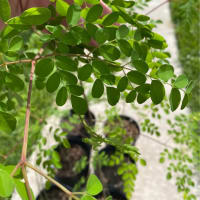
The cashew tree (Anacardium occidentale) is a tropical plant known for its delicious nuts and unique fruit. Native to Brazil, it thrives in warm climates and is valued for its culinary and economic importance.
Everything it needs
9 essentials at a glance
Watering
Water the cashew tree deeply but infrequently, allowing the top 2-3 inches of soil to dry out between waterings.
During the growing season (spring and summer), water every 1-2 weeks, while in fall and winter, reduce to once every 3-4 weeks. Signs of over-watering include yellowing leaves and root rot, while under-watering can cause leaf drop and wilting.
Light
The cashew tree thrives in full sun, requiring at least 6-8 hours of direct sunlight daily.
Ideal placement is in an open area where it can receive ample light without obstruction. It can tolerate some partial shade, especially in extremely hot climates, but too much shade can hinder fruit production.
Soil
Cashew trees prefer well-draining sandy or loamy soil with a pH range of 5.5 to 7.0.
Ensure good drainage to prevent waterlogging, which can lead to root rot. A recommended potting mix includes a blend of potting soil, sand, and perlite to enhance drainage.
Humidity
Cashew trees prefer moderate humidity levels around 40-60%.
To increase humidity, mist the leaves occasionally or place a humidifier nearby. Signs of humidity stress include leaf curling and browning tips, indicating the need for more moisture in the air.
Temperature
The ideal temperature range for cashew trees is between 70-90°F (21-32°C).
They are hardy in USDA zones 10-12 and can tolerate brief periods of cold down to 30°F (-1°C) but should be protected from frost. In extremely hot conditions, ensure adequate watering to prevent heat stress.
Fertilizing
Use a balanced fertilizer with an NPK ratio of 10-10-10 or 14-14-14, applying it every 6-8 weeks during the growing season.
In fall and winter, reduce feeding to once every 2-3 months. Signs of nutrient deficiency include yellowing leaves (nitrogen), poor fruit development (phosphorus), and stunted growth (potassium).
Pruning
Prune cashew trees in late winter or early spring to shape the tree and remove any dead or diseased branches.
Use clean, sharp pruning shears to make clean cuts. Focus on maintaining an open canopy to improve air circulation and light penetration. Deadheading is not necessary, as cashew trees naturally shed old flowers.
Repotting
Repot cashew trees every 2-3 years or when they outgrow their pot, indicated by roots growing out of the drainage holes.
Choose a pot 1-2 inches larger in diameter than the current one. To repot, gently remove the tree from its pot, loosen the roots, and place it in fresh potting mix, ensuring the root ball is at the same depth as before.
Propagation
Cashew trees can be propagated through seeds or grafting.
For seed propagation, soak seeds in water for 24 hours, then plant them in a well-draining mix, keeping them warm and moist until germination occurs in 2-4 weeks. Grafting is best done in spring when the tree is actively growing, using healthy scions from a mature tree.
When it's unhappy
Leaf drop
Why it happens
Leaf drop can occur due to over-watering or sudden temperature changes.
How to fix it
Adjust watering practices to allow the soil to dry out between waterings, and protect the tree from extreme temperature fluctuations.
Yellowing leaves
Why it happens
Yellowing leaves may indicate nutrient deficiency, particularly nitrogen.
How to fix it
Apply a balanced fertilizer and ensure the tree is receiving adequate sunlight.
Root rot
Why it happens
Root rot is caused by excessive moisture in the soil.
How to fix it
Improve drainage, reduce watering frequency, and remove any affected roots.
Pest infestations
Why it happens
Common pests include aphids and spider mites, often due to dry conditions.
How to fix it
Regularly inspect the plant, and treat infestations with insecticidal soap or neem oil.
Poor fruit production
Why it happens
Insufficient sunlight or nutrient deficiencies can lead to poor fruiting.
How to fix it
Ensure the tree receives full sun and apply a balanced fertilizer during the growing season.
Care through the year
Spring
In spring, focus on fertilizing your cashew tree as it begins to grow actively. Monitor for pests and ensure adequate watering as temperatures rise.
Summer
During summer, maintain consistent watering, especially in hot weather. Prune any dead branches and check for signs of pests or diseases.
Fall
In fall, reduce watering frequency as the tree enters dormancy. Prepare for cooler temperatures and consider applying a slow-release fertilizer.
Winter
In winter, protect the tree from frost and cold drafts. Water sparingly, allowing the soil to dry out between waterings, and avoid fertilizing.
Toxicity & Safety
The cashew tree is considered mildly toxic to pets and children, particularly the leaves and the raw cashew nut. Ingestion can cause gastrointestinal upset, skin irritation, and allergic reactions. Always ensure that children and pets do not have access to the leaves or unprocessed nuts.
Good to know
How often should I water my cashew tree?
Water your cashew tree every 1-2 weeks during the growing season, allowing the top 2-3 inches of soil to dry out between waterings.
Why are my cashew tree leaves turning yellow?
Yellowing leaves on a cashew tree can indicate nutrient deficiencies, particularly nitrogen, or over-watering. Adjust your watering schedule and consider fertilizing.
What type of soil is best for cashew trees?
Cashew trees thrive in well-draining sandy or loamy soil with a pH of 5.5 to 7.0. Ensure good drainage to prevent root rot.
Can I grow a cashew tree indoors?
While cashew trees can be grown indoors, they require ample sunlight and space to thrive. A south-facing window is ideal, but outdoor conditions are preferable.
How do I propagate cashew trees?
Cashew trees can be propagated from seeds or grafting. For seeds, soak them for 24 hours before planting in well-draining soil.
What pests affect cashew trees?
Common pests include aphids and spider mites. Regularly inspect your tree and treat infestations with insecticidal soap or neem oil.
When should I prune my cashew tree?
Prune your cashew tree in late winter or early spring to shape it and remove any dead or diseased branches, promoting healthy growth.
Grows well with
Track this plant in your garden.
Set care reminders, log growth, and join a community of plant lovers.