Velvet Bean
Mucuna Pruriens
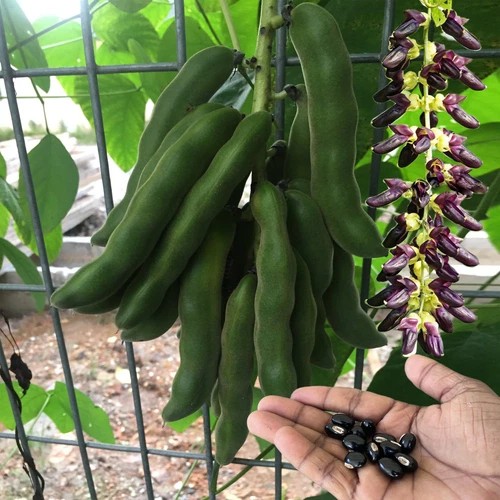
Medicinal Facts
Mucuna pruriens, commonly known as Velvet Bean, is renowned for its high L-DOPA content, a direct precursor to the neurotransmitter dopamine, placing it at the intersection of Ayurvedic medicine and modern neuropharmacology. Traditionally used for male reproductive health and as a nervine tonic, it is now explored in Parkinson's disease management and mood disorders due to its dopaminergic effects. The plant's multifaceted benefits are further enriched by its antioxidant and neuroprotective compounds, which are increasingly studied for their roles in neurodegenerative conditions.
What it helps with
Parkinson's disease
L-DOPA from Mucuna pruriens is a direct precursor to dopamine, crucial for replenishing depleted dopamine levels in Parkinson's disease. It bypasses the blood-brain barrier and is decarboxylated to dopamine in the central nervous system, improving motor symptoms. Clinical trials suggest it may offer a more sustained release compared to synthetic L-DOPA formulations, potentially reducing dyskinesia.
Mood disorders & depression
L-DOPA enhances dopaminergic activity, which can elevate mood and reduce symptoms of depression. This effect is mediated through the modulation of dopamine receptors and pathways, such as D1 and D2 receptor activation. Preliminary human studies and traditional use support its role as an adjunct in mood stabilization.
Male fertility & libido
Mucuna pruriens is traditionally used to enhance male fertility, attributed to its antioxidant properties and ability to increase dopamine, which influences testosterone levels. It reduces lipid peroxidation and enhances sperm quality by modulating oxidative stress pathways, supported by animal studies and some human trials.
Neuroprotection
Beyond L-DOPA, Mucuna pruriens contains antioxidants like quercetin and kaempferol that mitigate oxidative stress in neural tissues. These compounds activate Nrf2 pathways, enhancing cellular defense mechanisms against neurodegeneration. Preclinical studies highlight its potential in protecting dopaminergic neurons.
Stress & anxiety
The adaptogenic properties of Mucuna pruriens are linked to its modulation of the hypothalamic-pituitary-adrenal (HPA) axis and enhancement of serotonergic activity. L-DOPA's conversion to dopamine can also influence serotonin levels, providing a calming effect. Animal studies support its anxiolytic effects.
Cognitive function
L-DOPA enhances cognitive performance by improving dopaminergic signaling, crucial for memory and learning processes. It may modulate pathways involving cAMP response element-binding protein (CREB) and brain-derived neurotrophic factor (BDNF), as suggested by animal models. Human evidence is emerging.
Diabetes management
Mucuna pruriens may aid in glucose metabolism through its influence on insulin signaling pathways. Animal studies indicate that it can improve insulin sensitivity and reduce blood glucose levels, potentially mediated by its antioxidant effects and modulation of AMPK pathways.
Key active compounds
L-DOPA
A non-protein amino acid and direct precursor to dopamine. It crosses the blood-brain barrier and is decarboxylated to dopamine, crucial for motor control and mood regulation. Its bioavailability is a key factor in its therapeutic use, often enhanced by peripheral decarboxylase inhibitors.
Serotonin
A neurotransmitter present in small amounts in Mucuna pruriens, contributing to its mood-enhancing effects. It acts primarily on 5-HT receptors, influencing mood, anxiety, and gastrointestinal function.
Nicotinic acid
Also known as niacin, it supports energy metabolism and may enhance the neuroprotective effects of L-DOPA by improving mitochondrial function and reducing oxidative stress.
Quercetin
A flavonoid with potent antioxidant properties. It scavenges free radicals and modulates Nrf2 pathways, enhancing cellular antioxidant defenses and contributing to neuroprotection.
Kaempferol
A flavonoid that exerts anti-inflammatory and antioxidant effects. It modulates signaling pathways like Nrf2 and NF-kB, reducing oxidative stress and inflammation in neural tissues.
Beta-sitosterol
A phytosterol that may support cardiovascular health by modulating cholesterol metabolism. It also exhibits anti-inflammatory properties, potentially synergizing with other compounds in Mucuna pruriens.
Tetrahydroisoquinolines
Alkaloids present in Mucuna pruriens that may contribute to its neuroprotective effects. They inhibit monoamine oxidase, potentially enhancing dopaminergic activity and neuroprotection.
What the research says
Research on Mucuna pruriens primarily focuses on its L-DOPA content and its application in Parkinson's disease, where human trials demonstrate comparable efficacy to synthetic L-DOPA with potential advantages in reducing motor complications. Studies on mood and cognitive function are supported by both preclinical models and traditional use, highlighting its dopaminergic and serotonergic modulation. The plant's role in male fertility and diabetes management is backed by animal studies, with human trials still limited but promising. The main limitation is the variability in L-DOPA content and bioavailability, which is addressed through standardized extracts and combination with enzyme inhibitors to enhance central nervous system delivery and efficacy.
Typical dosage
For powder form, a common dosage is 5 grams per day, mixed with water or juice. Capsules typically contain 250-500 mg of extract, taken 1-2 times daily. Tinctures can be used at a dose of 1-2 ml, 1-3 times per day. For tea, steep 1-2 teaspoons of dried beans in hot water for 10-15 minutes. It is important to start with lower doses to assess tolerance, especially when using for mood or neurological support.
About Velvet Bean
Traditional Use
Preparations & Dosage
Preparations
- Tea / Infusion: Use 1-2 teaspoons of dried Mucuna pruriens beans. Boil water and pour over the beans. Let steep for 10-15 minutes. Strain before drinking. Can be sweetened with honey or lemon for taste.
- Powder: Mix 5 grams of Mucuna pruriens powder with water, juice, or a smoothie. Stir well until fully dissolved. Consume once daily.
- Capsule: Take 1-2 capsules (250-500 mg each) with water, preferably with meals to enhance absorption.
- Tincture: Use 1-2 ml of Mucuna pruriens tincture under the tongue or in a small amount of water, 1-3 times daily.
Interactions & Warnings
Use with caution
Mucuna pruriens should be used with caution by individuals taking medications for Parkinson's disease or those with cardiovascular conditions due to its L-DOPA content. Pregnant or breastfeeding women should avoid it unless advised by a healthcare professional. It may interact with other medications affecting dopamine levels.
Herb Interactions
Both herbs may affect serotonin levels, potentially leading to serotonin syndrome if combined in high doses.
Community Plants
Real plants of this species grown and shared by the MyFloralVault community.

More in Mood & Emotional


Was this helpful?
0 · 0
Care Guide Available
Learn how to grow and care for Velvet Bean at home