Kutki
Picrorhiza Kurroa
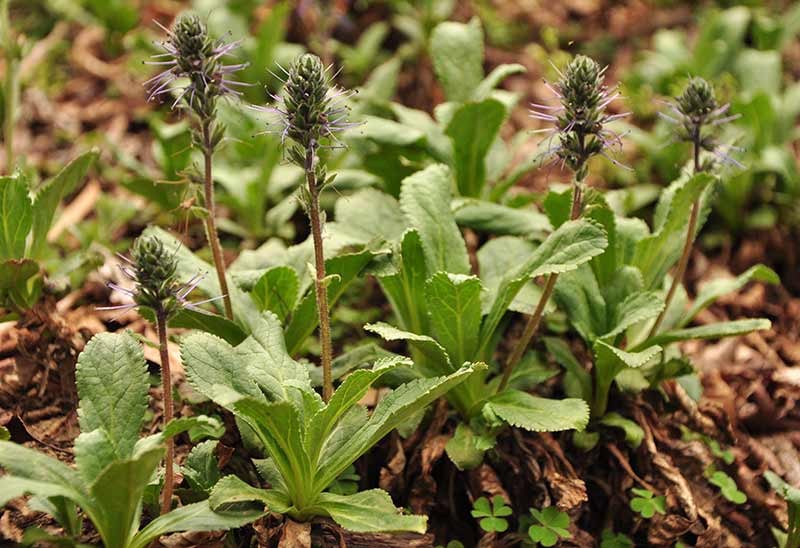
Medicinal Facts
Picrorhiza kurroa, commonly known as Kutki, is renowned for its active compounds kutkin, picroside I, and picroside II, which confer hepatoprotective, anti-inflammatory, and immunomodulatory properties. This herb is at the intersection of Ayurvedic tradition, where it is used for liver disorders and digestive health, and modern pharmacological research focusing on its liver enzyme modulation and antioxidant mechanisms. The plant's unique ability to modulate liver enzymes like ALT and AST, alongside its role in enhancing bile secretion, makes it a subject of interest in hepatology. Despite its traditional roots, contemporary studies are increasingly validating its efficacy through detailed molecular investigations.
What it helps with
Liver protection & detoxification
Picroside I and II exert hepatoprotective effects by modulating liver enzymes such as ALT and AST, and enhancing the activity of antioxidant enzymes like superoxide dismutase (SOD) and catalase. These compounds also inhibit lipid peroxidation, reducing oxidative stress in hepatocytes. Human trials and traditional use both support its role in managing hepatitis and cirrhosis.
Digestive health
Kutkin enhances bile secretion through choleretic action, which aids in the digestion of fats. It also modulates gut inflammation by inhibiting the NF-kB pathway, reducing cytokine production such as TNF-a and IL-1b. Traditional use aligns with these findings, supporting its use in dyspepsia and chronic constipation.
Immune modulation
Picrorhiza kurroa influences immune function by modulating cytokine production and enhancing macrophage activity. Picroside II, in particular, has been shown to upregulate IL-10, an anti-inflammatory cytokine, while downregulating pro-inflammatory cytokines like IL-6. This dual action is supported by both in vitro studies and animal models.
Inflammation & oxidative stress
The herb's anti-inflammatory effects are mediated through the inhibition of the NF-kB pathway and reduction of reactive oxygen species (ROS) via upregulation of Nrf2. This leads to increased expression of antioxidant enzymes, providing a cellular defense against oxidative damage. Evidence is primarily from animal studies and traditional use.
Respiratory health
Traditionally used for respiratory ailments, Kutki's anti-inflammatory properties help reduce bronchial inflammation by inhibiting leukotriene synthesis. Picroside I has been shown to modulate the arachidonic acid pathway, which is crucial in managing asthma and bronchitis symptoms. This is supported by preclinical studies.
Skin disorders
Picrorhiza kurroa is traditionally used for skin conditions such as eczema and psoriasis. Its ability to modulate immune responses and reduce inflammation via NF-kB inhibition supports its use in these conditions. Picroside II's role in reducing keratinocyte proliferation has been observed in vitro.
Joint health
The anti-inflammatory action of picrosides, through COX-2 inhibition, helps reduce joint inflammation and pain. This is particularly relevant in conditions like rheumatoid arthritis, where traditional use and animal studies suggest efficacy.
Key active compounds
Kutkin
A mixture of iridoid glycosides, primarily picroside I and II. It is responsible for the hepatoprotective and choleretic actions of the plant, enhancing liver function and bile secretion.
Picroside I
An iridoid glycoside that modulates liver enzymes and inhibits lipid peroxidation. It also plays a role in immune modulation by affecting cytokine production.
Picroside II
This compound has strong anti-inflammatory and antioxidant properties, inhibiting NF-kB and enhancing Nrf2 pathways, which protect against oxidative stress.
Apocynin
A phenolic compound known for its ability to inhibit NADPH oxidase, reducing oxidative stress and inflammation. It contributes to the plant's overall anti-inflammatory profile.
Androsin
A phenolic compound with antioxidant properties, contributing to the reduction of oxidative stress and supporting liver health.
Vanillic acid
An aromatic acid with antioxidant activity, it aids in reducing oxidative damage by scavenging free radicals.
What the research says
Research on Picrorhiza kurroa primarily focuses on its hepatoprotective and anti-inflammatory properties. Human studies have shown significant improvements in liver enzyme profiles in patients with liver disorders, with picroside I and II being the most studied compounds. Animal studies further support these findings, demonstrating reduced oxidative stress and inflammation. The main limitation in clinical application is the bioavailability of its active compounds. Efforts to enhance absorption, such as formulating with phospholipids or using nanoparticle delivery systems, are underway to improve therapeutic outcomes.
Typical dosage
For capsules, a typical dose is 400-500 mg taken 1-2 times daily. As a powder, 1-2 grams can be mixed with water or juice and consumed once or twice a day. Tinctures are usually taken at a dose of 2-4 ml, 2-3 times daily. Decoctions involve boiling 1-2 teaspoons of the root in water for 10-15 minutes, consumed up to twice daily. Extracts should be used according to the manufacturer's instructions, often standardized to contain specific amounts of picrosides.
About Kutki
Traditional Use
Preparations & Dosage
Preparations
- Capsule: Take 400-500 mg of standardized Picrorhiza kurroa extract in capsule form, 1-2 times daily with meals.
- Powder: Mix 1-2 grams of Picrorhiza kurroa powder with water or juice and consume once or twice daily.
- Tincture: Use 2-4 ml of Picrorhiza kurroa tincture, diluted in water, 2-3 times daily.
- Decoction: Boil 1-2 teaspoons of Picrorhiza kurroa root in 2 cups of water for 10-15 minutes, strain, and drink up to twice daily.
- Extract: Follow the manufacturer's instructions for standardized extracts, typically taken once or twice daily.
Interactions & Warnings
Use with caution
Picrorhiza kurroa should be used with caution in individuals with gallbladder obstruction or bile duct issues. Pregnant and breastfeeding women should avoid its use due to insufficient safety data. High doses may lead to gastrointestinal discomfort.
Herb Interactions
Both herbs support liver function and may have additive effects. Monitor for signs of liver stress or discomfort.
Community Plants
Real plants of this species grown and shared by the MyFloralVault community.

More in Detox & Liver


Was this helpful?
0 · 0
Care guides for related plants
Care Guide Available
Learn how to grow and care for Kutki at home