Gu-sui-bu
Drynaria Roosii
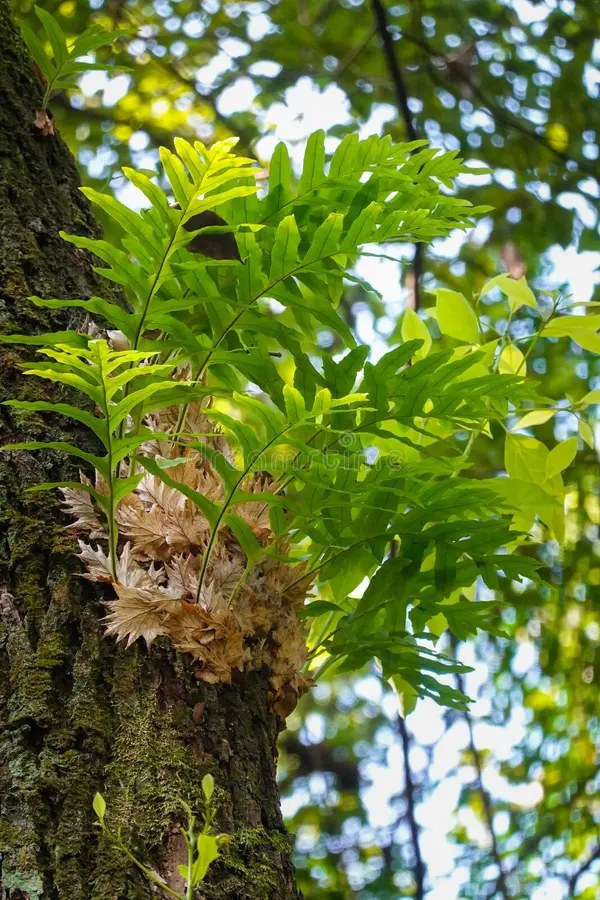
Medicinal Facts
Drynaria roosii, commonly known as Gu-sui-bu, is renowned for its osteogenic and anti-inflammatory properties, primarily attributed to its active compounds such as naringin and neoeriocitrin. It stands at the intersection of traditional Chinese medicine, where it is used to strengthen bones and alleviate joint pain, and modern pharmacological research focusing on bone regeneration and inflammation modulation. Its unique action on osteoblast differentiation and NF-kB inhibition underscores its therapeutic potential. The plant's utilization in traditional decoctions and its emerging role in osteo-related clinical applications highlight its multifaceted nature.
What it helps with
Bone health & osteoporosis
Naringin and neoeriocitrin enhance osteoblast differentiation and mineralization by activating the Wnt/β-catenin signaling pathway and inhibiting the NF-kB pathway. This dual action promotes bone formation and reduces bone resorption, with evidence from both animal models and traditional usage in Chinese medicine.
Joint pain & arthritis
The anti-inflammatory properties of Drynaria roosii are primarily due to naringin, which inhibits the NF-kB pathway, reducing the expression of pro-inflammatory cytokines like TNF-a and IL-1β. Animal studies and traditional applications support its use in alleviating symptoms of arthritis and joint discomfort.
Anti-inflammatory effects
Naringin modulates inflammatory responses by downregulating the NF-kB pathway and reducing the production of inflammatory mediators such as COX-2 and IL-6. This broad-spectrum anti-inflammatory action is supported by preclinical studies and traditional use for inflammatory conditions.
Antioxidant support
Drynaria roosii contains flavonoids like naringin that scavenge free radicals and enhance endogenous antioxidant defenses via the Nrf2 pathway. This mechanism is supported by in vitro studies demonstrating increased cellular resistance to oxidative stress.
Cardiovascular health
Naringin improves endothelial function by enhancing nitric oxide (NO) production through eNOS activation. Preclinical studies suggest potential benefits in reducing hypertension and improving lipid profiles, although human data are limited.
Neuroprotection
Naringin and other polyphenols in Drynaria roosii exhibit neuroprotective effects by modulating the Nrf2 pathway and reducing neuroinflammation. Animal studies indicate potential benefits in neurodegenerative conditions, although clinical evidence is still emerging.
Digestive health
Traditionally used to support digestive health, Drynaria roosii may enhance gut barrier function and reduce inflammation through modulation of the NF-kB pathway. Evidence is primarily anecdotal and from traditional practices, with limited scientific validation.
Key active compounds
Naringin
A flavonoid glycoside that inhibits the NF-kB pathway and activates the Wnt/β-catenin pathway, promoting bone health and reducing inflammation. It also enhances NO production via eNOS activation, supporting cardiovascular health.
Neoeriocitrin
A flavonoid that contributes to osteogenic activity by enhancing osteoblast differentiation and mineralization, primarily through the Wnt/β-catenin signaling pathway.
Hesperidin
A bioflavonoid with antioxidant properties that modulates the Nrf2 pathway, enhancing cellular antioxidant defenses and reducing oxidative stress.
Flavonoids
A group of polyphenolic compounds that exhibit broad-spectrum antioxidant and anti-inflammatory activities, primarily through NF-kB and Nrf2 modulation.
Polysaccharides
Complex carbohydrates that may contribute to the immunomodulatory effects of Drynaria roosii, although specific mechanisms remain under investigation.
Triterpenoids
Compounds that may enhance the anti-inflammatory and bone-strengthening effects of the plant, though their specific pharmacological roles are less well-defined.
What the research says
Research on Drynaria roosii primarily focuses on its osteogenic and anti-inflammatory properties. Naringin and neoeriocitrin are the most studied compounds, with strong preclinical evidence supporting their roles in bone health and inflammation modulation. Animal models demonstrate significant osteogenic activity, while human studies remain limited but promising. The main limitation is the bioavailability of these compounds, which is being addressed through formulation strategies such as nanoparticle delivery systems and co-administration with bioavailability enhancers like piperine.
Typical dosage
For decoction, use 10-15 grams of dried rhizome per day, simmered in water for 30 minutes. As a powder, 3-6 grams per day can be mixed with water or juice. Capsules typically contain standardized extracts, with a recommended dose of 500-1000 mg per day. Tinctures can be taken at a dose of 2-4 ml, three times daily. Dosages may vary based on individual needs and should be adjusted under professional guidance.
About Gu-sui-bu
Traditional Use
Preparations & Dosage
Preparations
- Decoction: Boil 10-15 grams of dried rhizome in 500 ml of water for 30 minutes. Strain the liquid and consume warm. It can be sweetened with honey if desired.
- Powder: Grind dried rhizome into a fine powder. Take 3-6 grams daily, mixed with water or juice. Can be divided into two doses.
- Capsule: Take standardized extract capsules, typically 500-1000 mg per day, with water. Follow specific product instructions.
- Tincture: Use 2-4 ml of tincture, three times daily, diluted in a small amount of water. Shake well before use.
Interactions & Warnings
Use with caution
Drynaria roosii should be used with caution in individuals with known allergies to ferns. Pregnant or breastfeeding women should avoid its use due to insufficient safety data. It may interact with medications affecting bone metabolism.
Herb Interactions
May enhance the effects on bone metabolism, requiring careful monitoring.
Community Plants
Real plants of this species grown and shared by the MyFloralVault community.

More in Bone & Joint


Was this helpful?
0 · 0
Care Guide Available
Learn how to grow and care for Gu-sui-bu at home